QUIET CRAFTSMANSHIP · LONGQUAN

Entry-Level Manganese Steel Katana

¥280.00

PRODUCT OPTIONS

Configure this sword.

Choose the product-specific options below.

Each katana is configured individually.
Multiple katana purchases are placed as separate orders.

KATANA CUSTOMIZER

Customize Your Katana.

Choose from the configuration options available for this katana.

WORKSHOP NOTES

Hi, I'm Lao Yan from ZYSWORD. Today I want to introduce our basic entry-level katana: the iron-fitted manganese-steel model.

Since this model was introduced in 2016, sales have exceeded 12,000 pieces. Most buyers have been happy with it, often mentioning its value for money, practical configuration, and suitability for beginners.

Because many people buy this as their first katana, I want to go through the details and explain what makes this manganese-steel model suitable for newcomers.

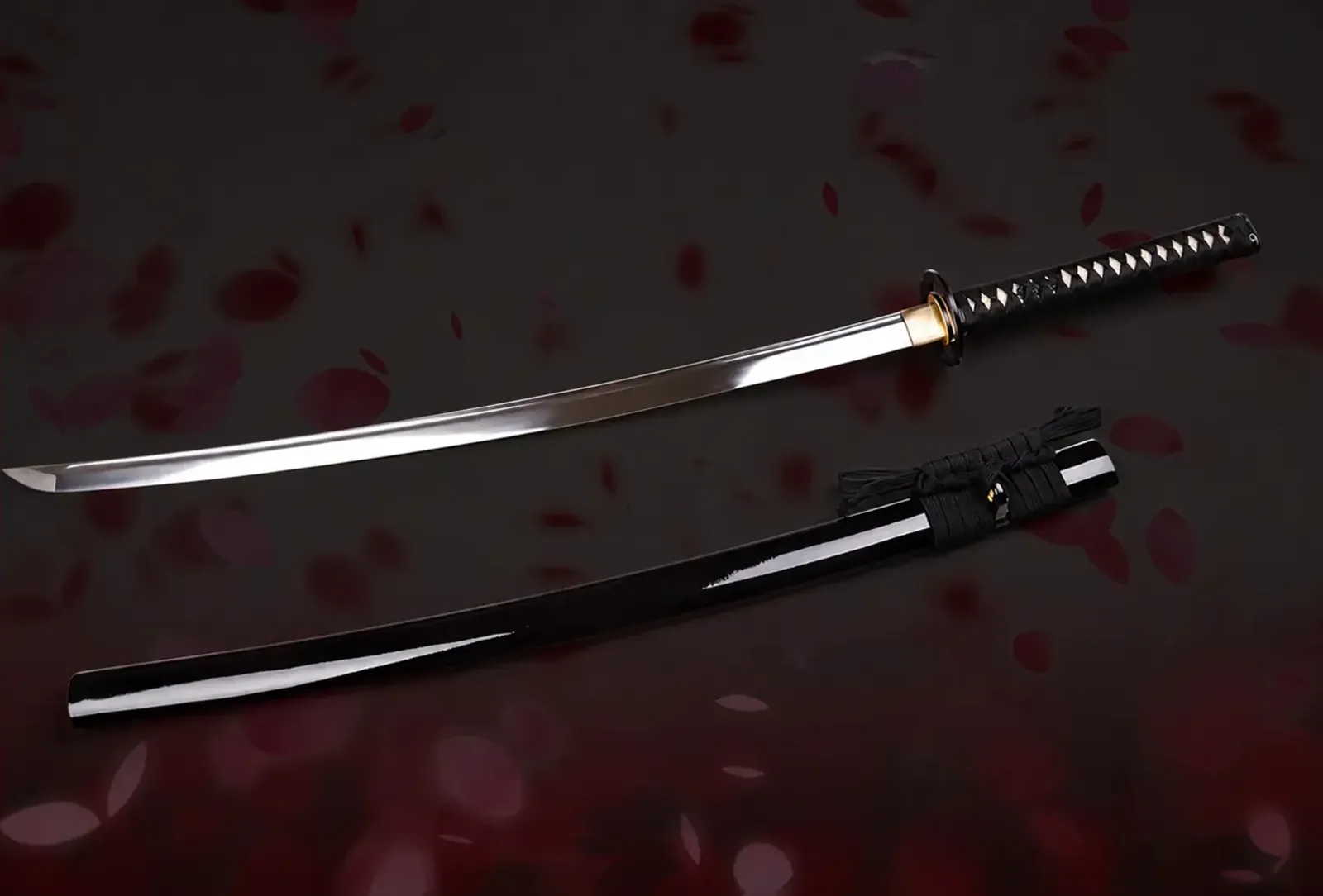
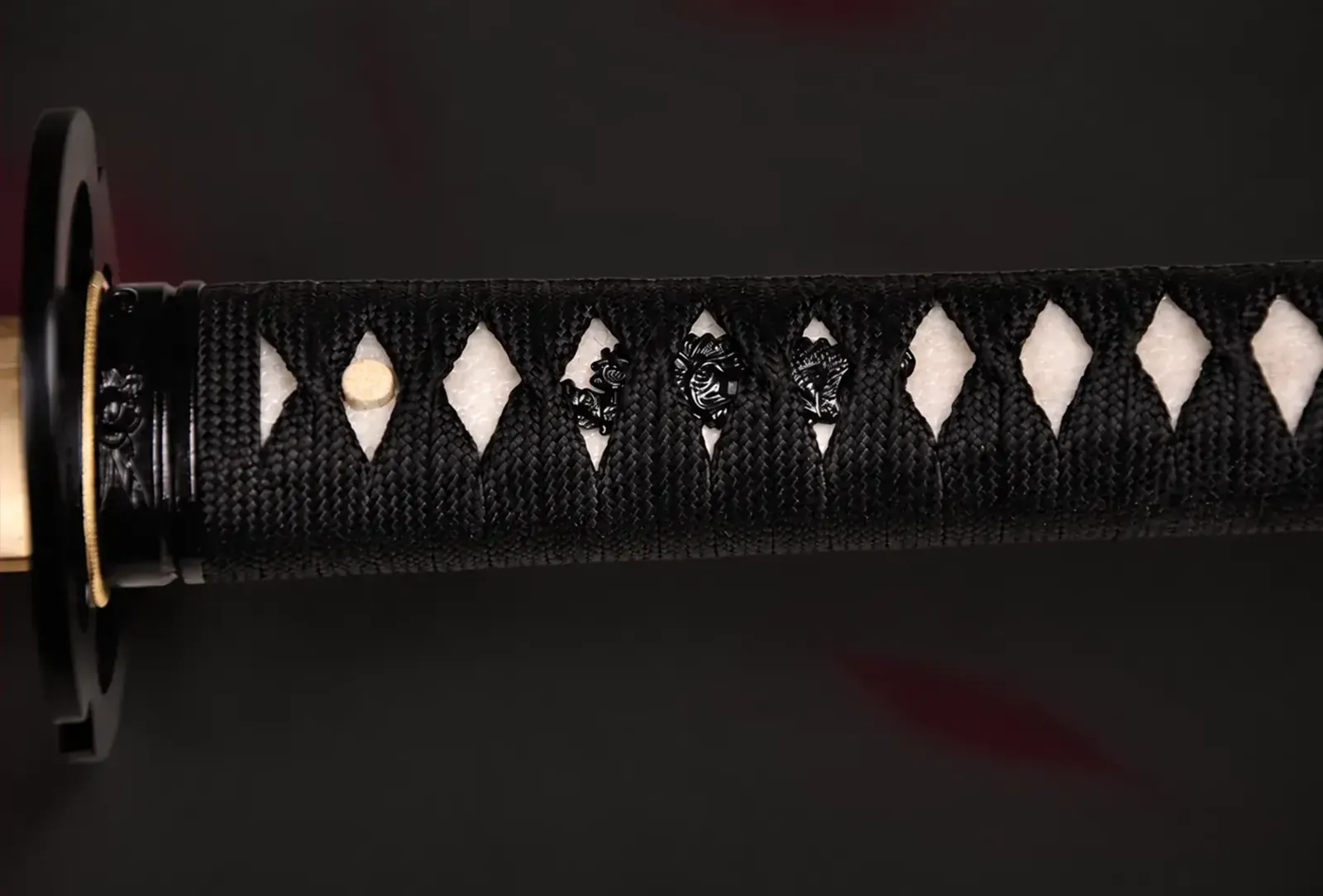
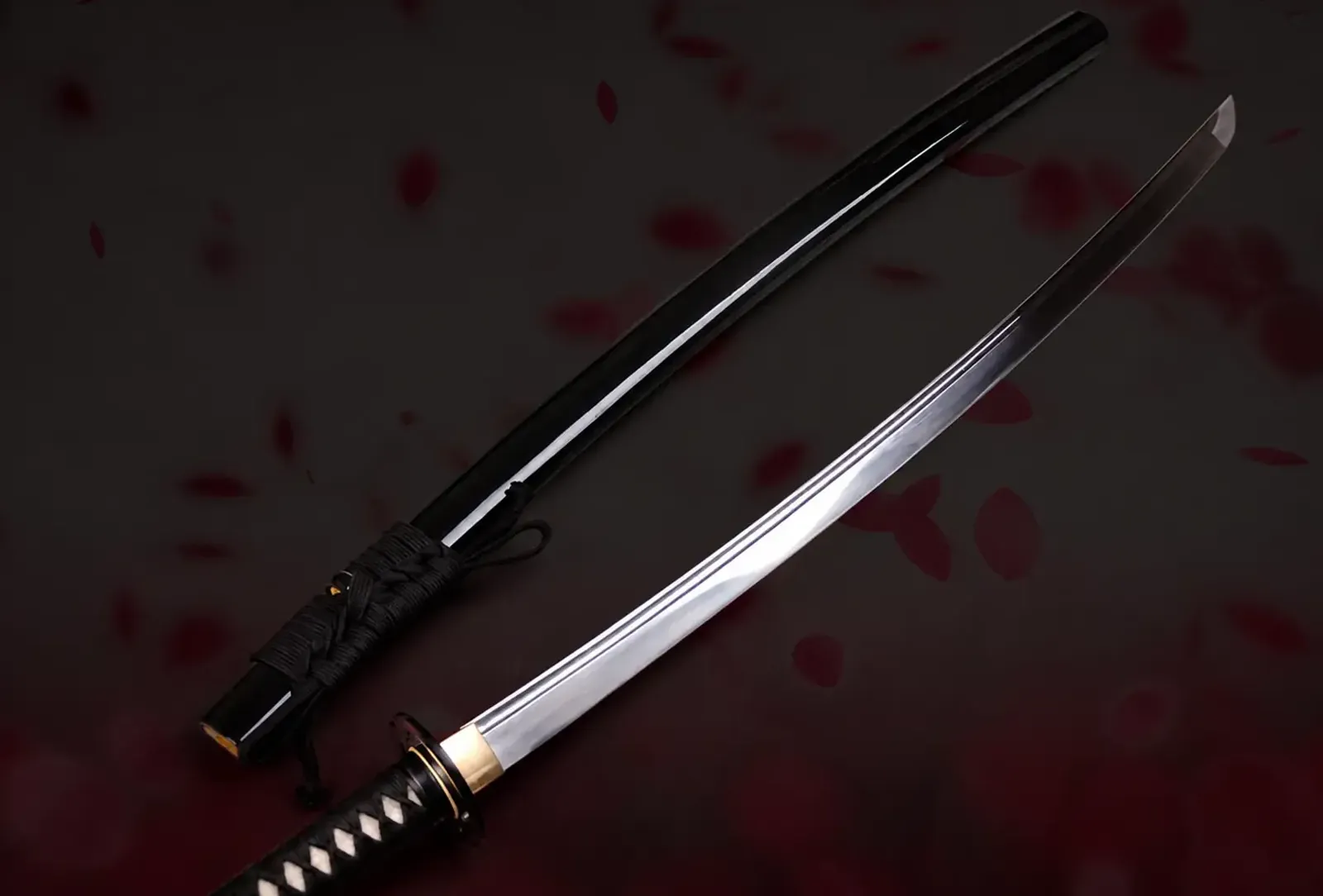
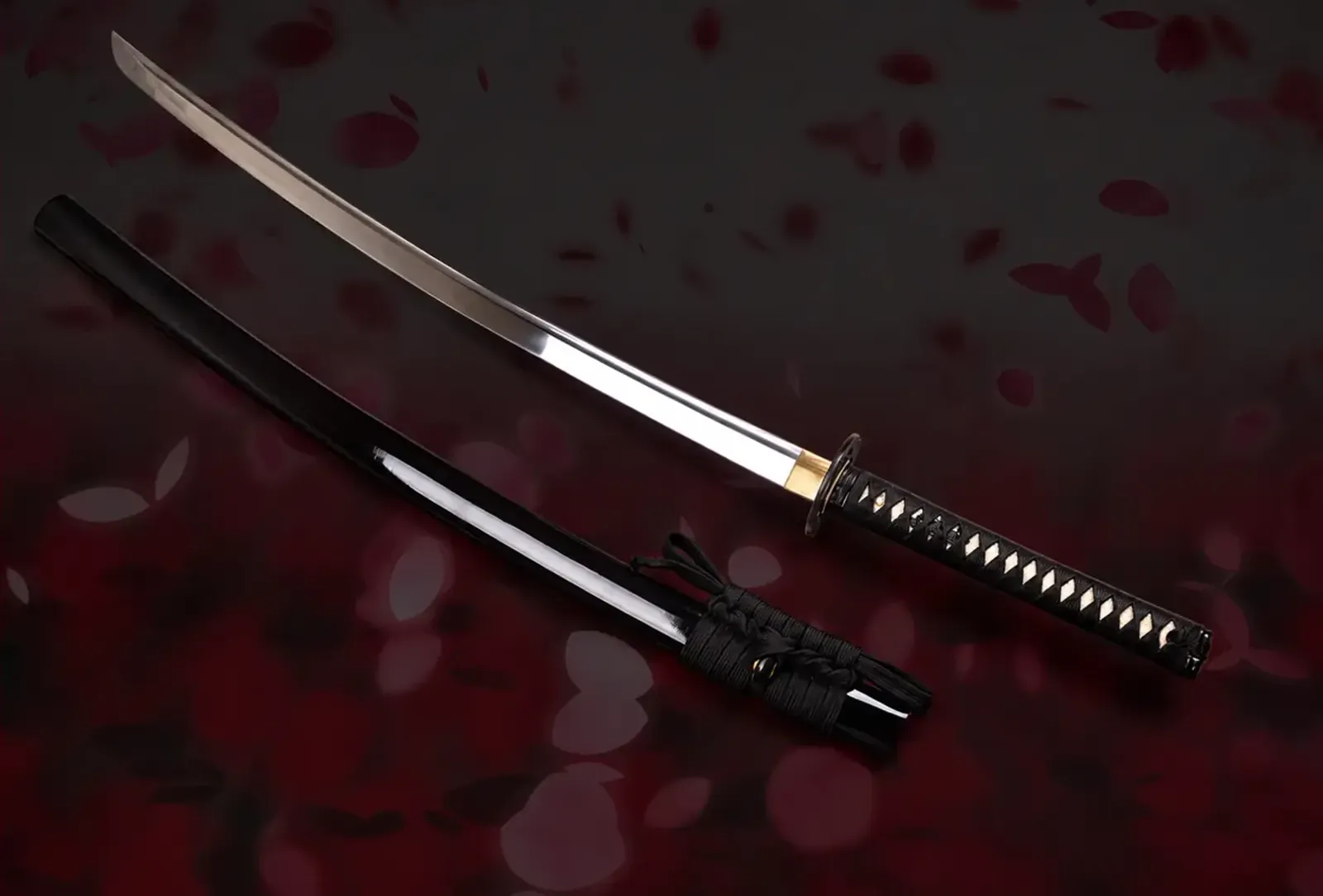
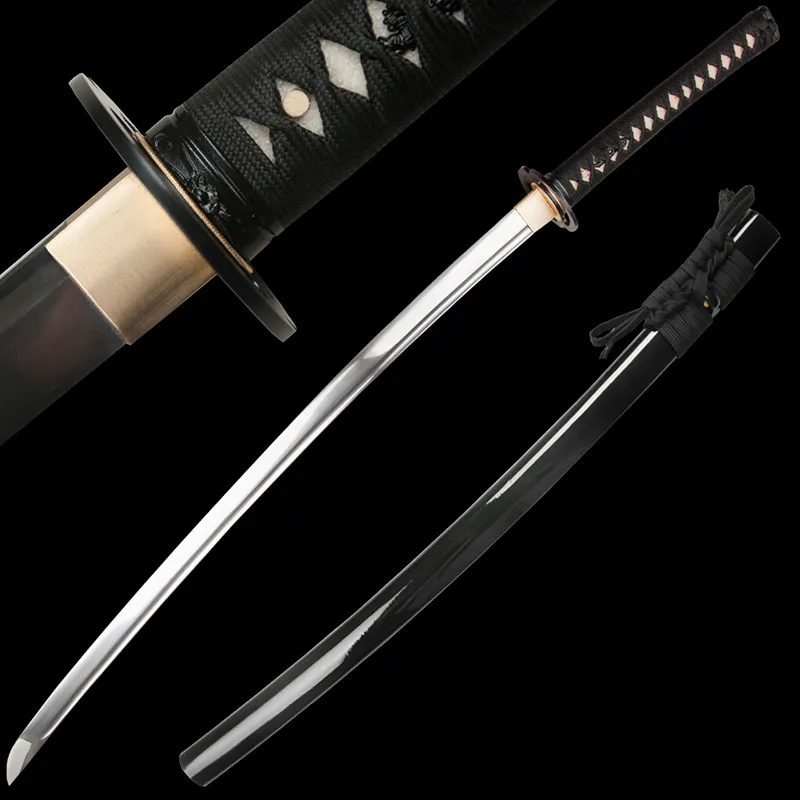
The fittings are made of iron, including the tsuba, kashira, and fuchi. The tsuka uses genuine rayskin, paired with a coarse, silk-like sageo and a semi-hand-polished manganese-steel blade. For an entry-level model, that is a fairly substantial configuration.

Let me explain why we chose manganese steel for this entry-level blade. Its advantages and disadvantages are fairly straightforward.

Manganese steel offers good toughness and flexibility. With suitable heat treatment, it gives the blade a useful balance of properties, while keeping production costs and the selling price relatively low.

The drawback is that its hardness is somewhat lower. But it can be forgiving for beginners: during a forceful test cut, if the cutting angle is not quite right, the blade is less likely to snap outright.

Let's take a closer look. There are two versions: the regular handle wrap and one with hishigami, the paper wedges placed beneath the wrapping. I'll show you the difference.

The regular tsuka-ito has a little more give. On the hishigami version, I can press quite hard and the wrapping barely moves.

The regular version is more affordable, but it has a looser wrap. During heavy cutting, vibration can sometimes cause the end fitting to come loose. The hishigami version holds more securely and feels better in the hand.

If the wrapping on the regular version loosens and the end fitting comes off, you can remove the bamboo peg and send me the handle. I'll redo the wrapping free of charge.

Here is the iron tsuba. Inside the tsuka is genuine rayskin, although the lighting makes it a little hard to see.

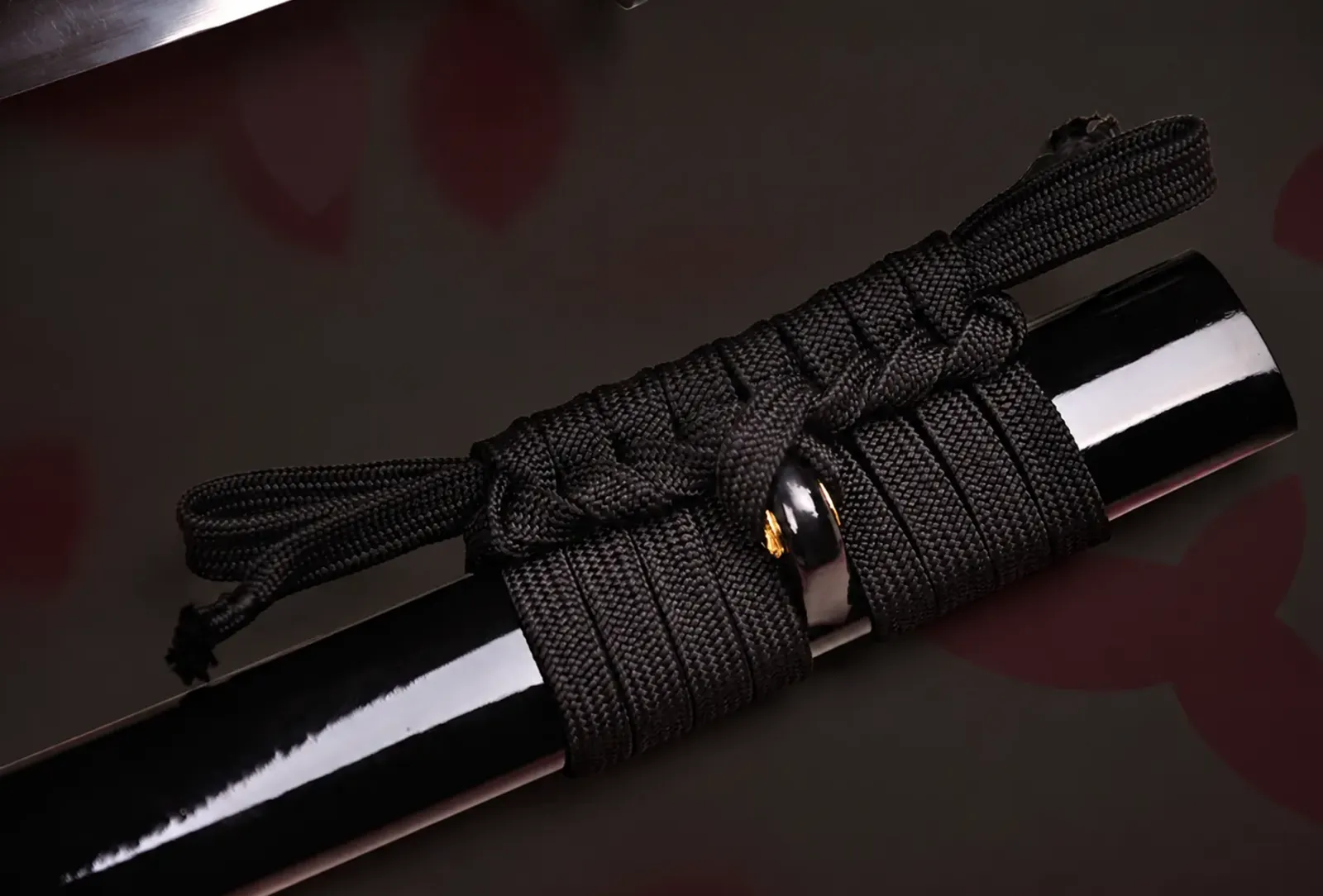
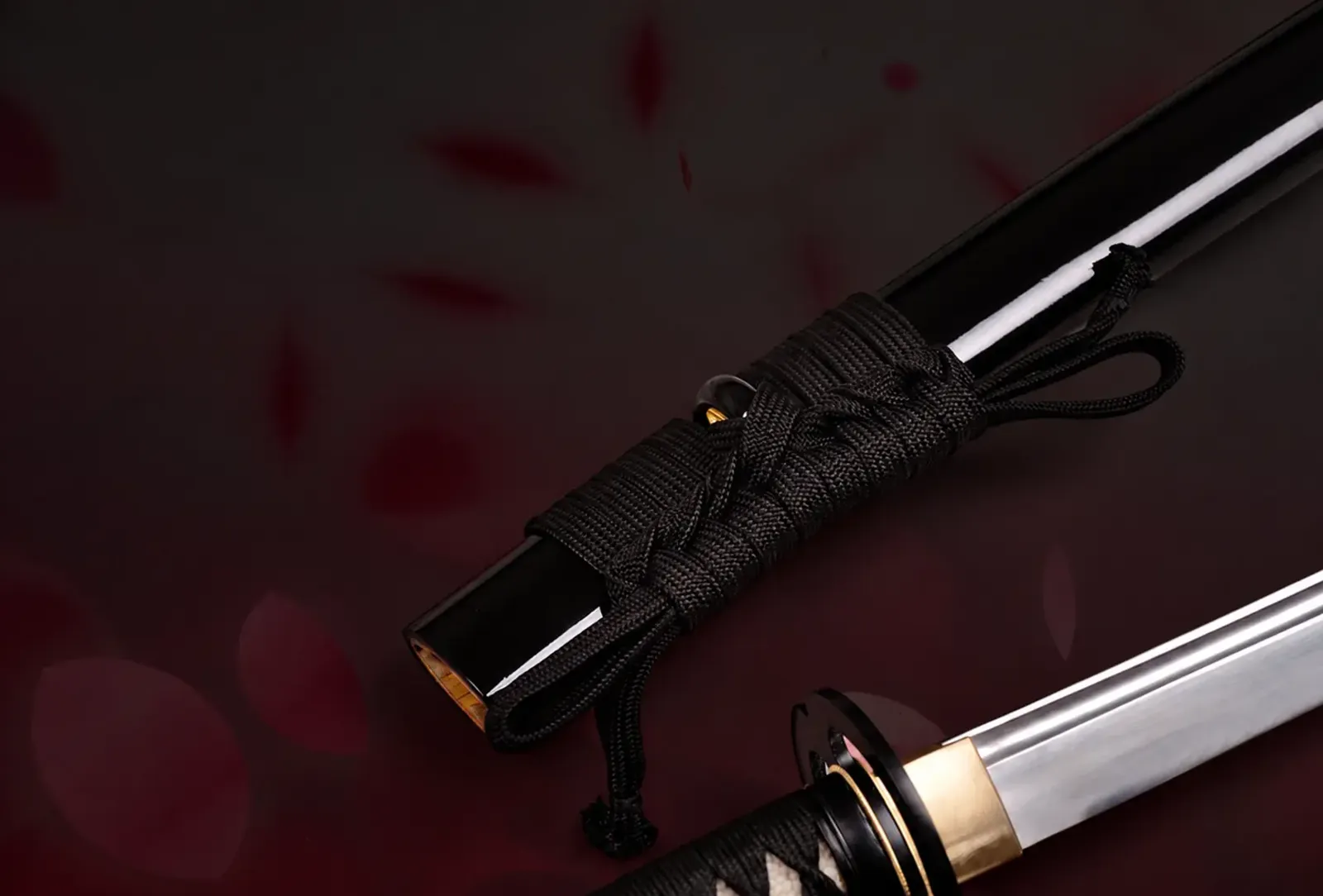
I personally like this sageo. It has a pleasant texture and looks somewhat like genuine silk. We have three colors here: black, blue, and brown. I especially recommend blue.

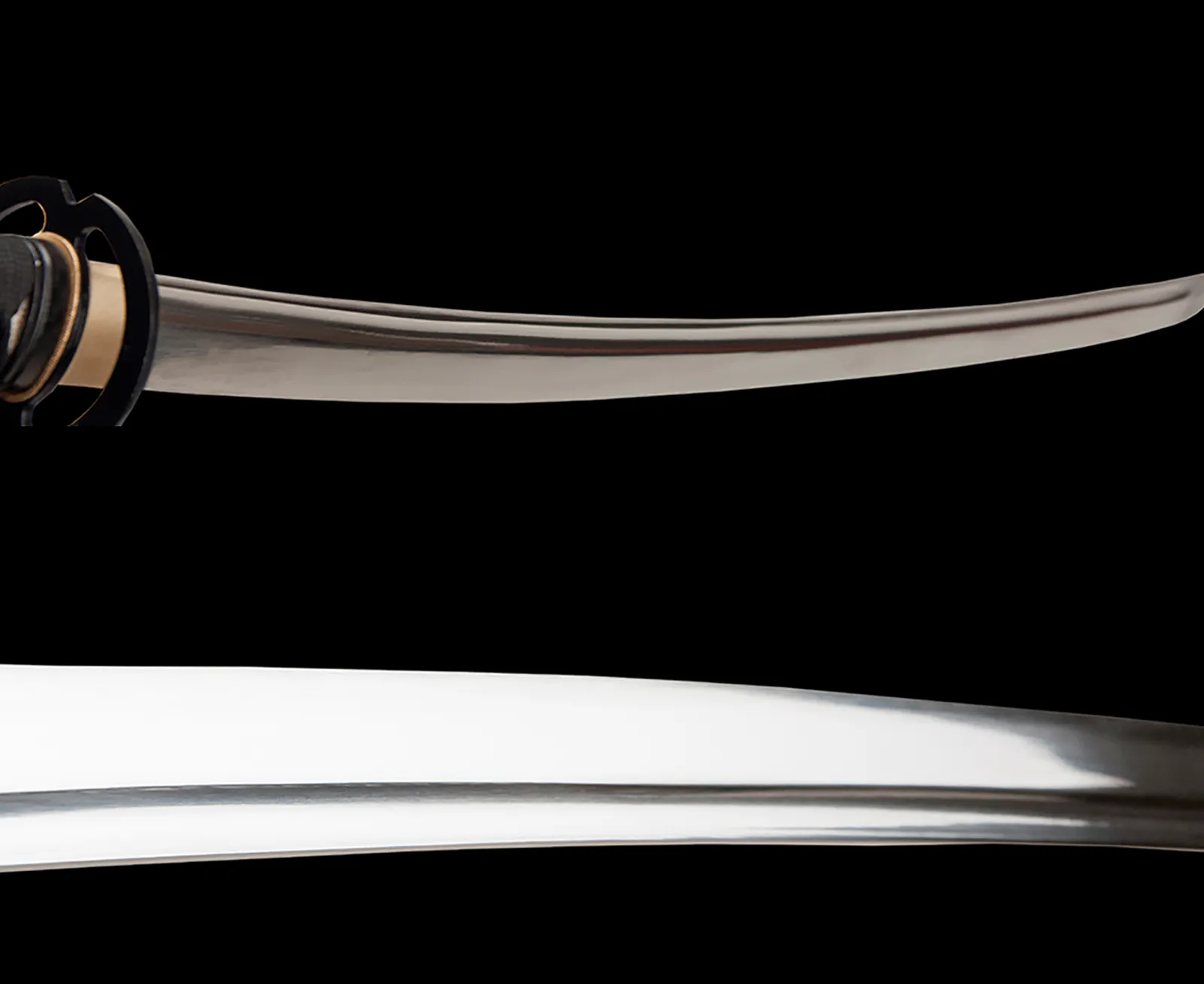
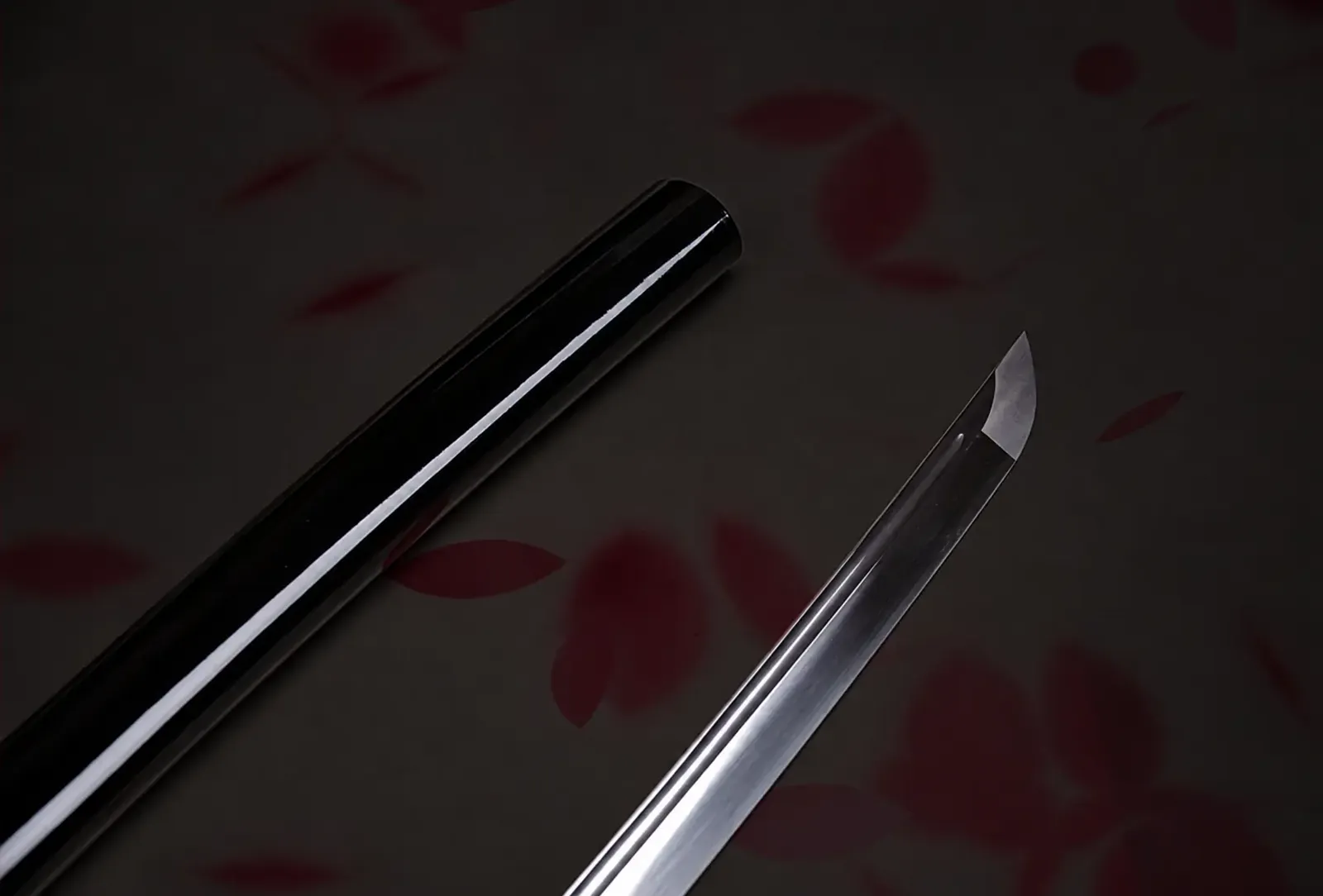
The manganese-steel blade has a semi-hand-polished mirror finish. If fine scratches appear after test cutting, I recommend polishing paste and a cloth to improve the shine and reduce light surface marks.

Between the two versions, I prefer the hishigami-wrapped one. It takes more time to wrap and costs a little more, but the grip feels better and is less prone to loosening later.

This model originally came about because friends in our group wanted an affordable, durable beginner's sword. We combined sturdy fittings with manganese steel for practical test cutting, and called it the entry-level iron-fitted manganese-steel katana. We even nicknamed it the '260 oddball sword.'

As a first katana, I would give its basic performance around 85 out of 100. You don't need to treat it too delicately or know a great deal about Japanese swords. It is simply a straightforward beginner's model.

I've talked for quite a while, and you've had to put up with my less-than-standard Longquan-accented Mandarin. I really just wanted to introduce a good-value katana for people starting out.

It's getting late. Thank you for watching, and goodbye.
Technical Overview

Core specifications.

Nagasa
700 mm
Motohaba
32 mm
Motokasane
7 mm
Tsuka Length
260 mm
Overall Length
1000 mm
Weight without Saya
1020 g
Weight with Saya
1240 g
Handmade product dimensions may vary slightly.
Blade & Craft

Blade craftsmanship.

Heat Treatment
Oil Quenching
Polish
Eight-Stage Polish

Beschreibung

ENTRY-LEVEL SERIES

65Mn Spring Steel.
Iron Fittings. Blade Breaks During Test Cutting? Full Refund.

A straightforward entry into traditional katana design. Featuring a manganese-steel blade, oil-quench heat treatment, eight-stage polishing, and durable iron fittings.

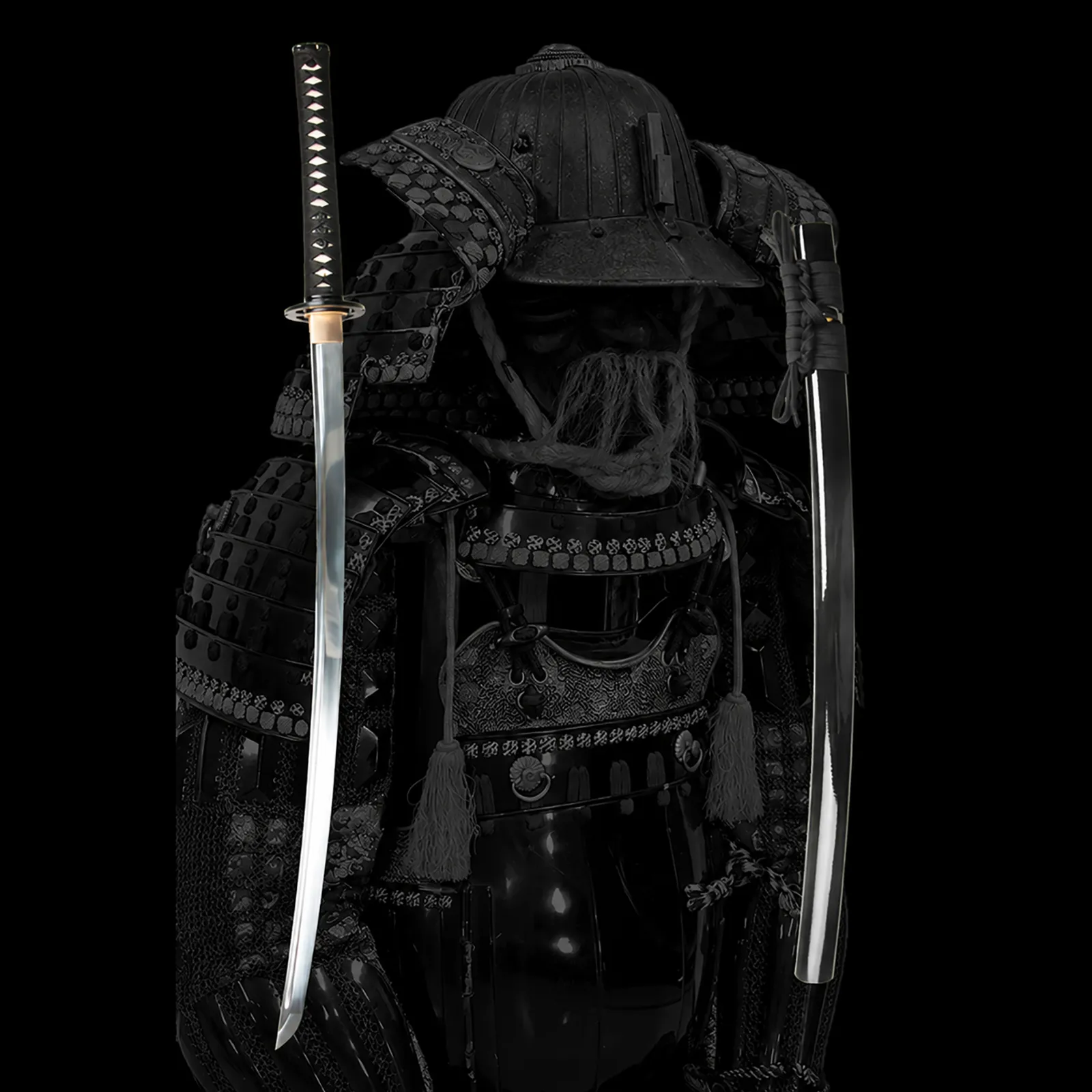
WK-179 iron-fitted manganese steel katana with unsheathed blade and black saya against dark samurai armor
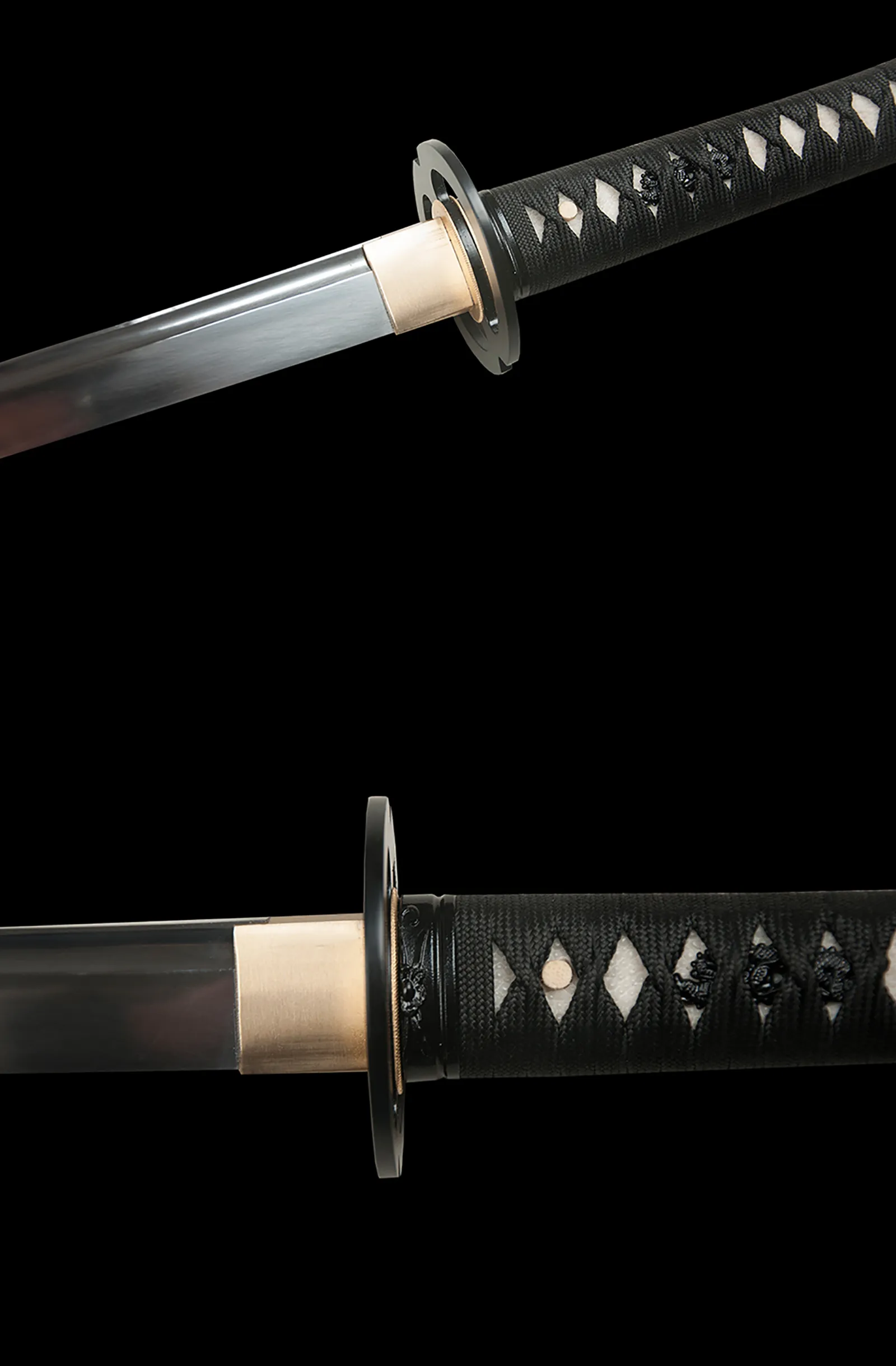
Close-up views of the WK-179 manganese steel katana showing the black tsuka wrap, iron tsuba, habaki, and blade base.
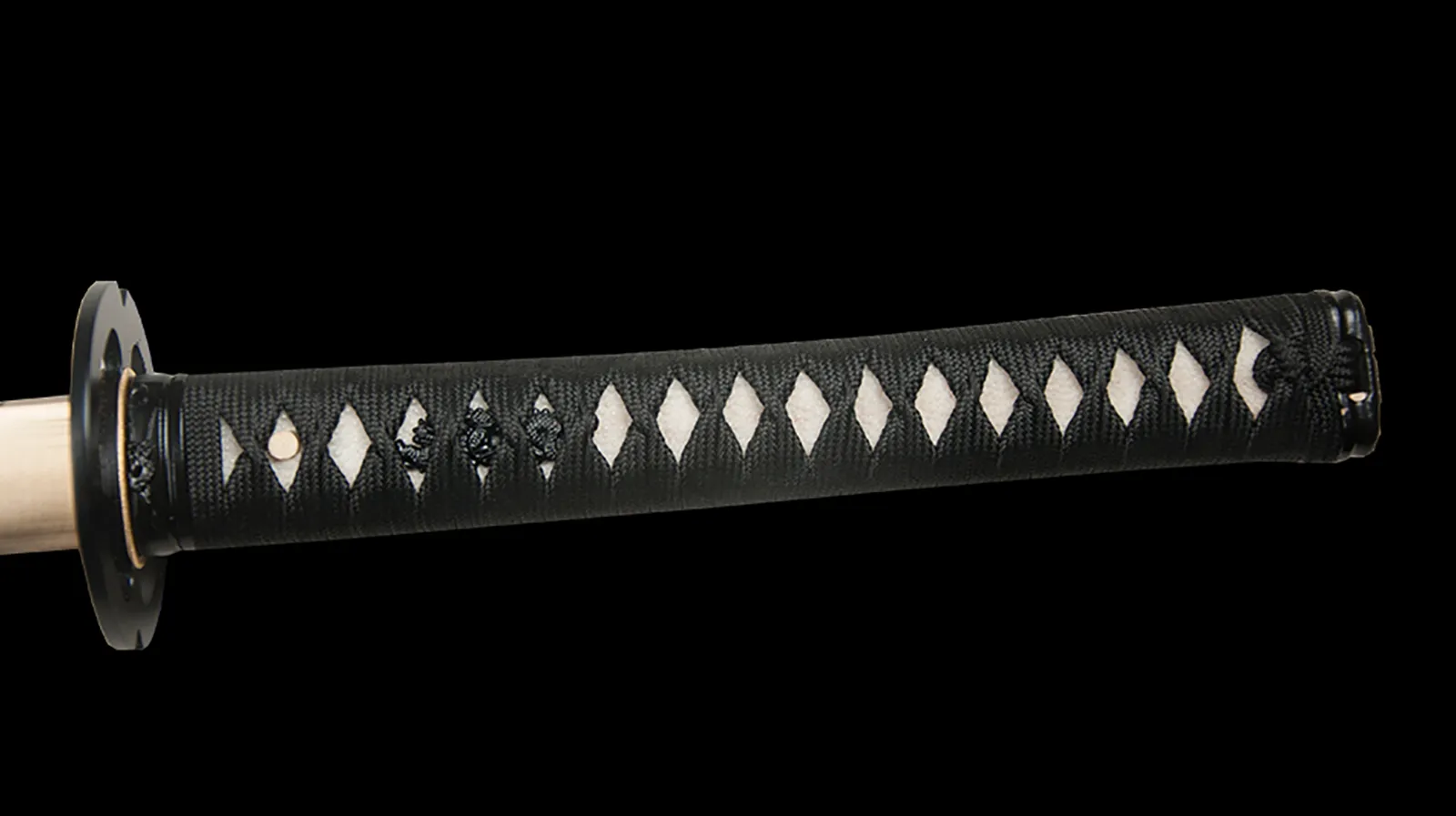
WK-179 katana paper-shim version showing black tsuka-ito, genuine rayskin and iron tsuba
PAPER-SHIM TSUKA

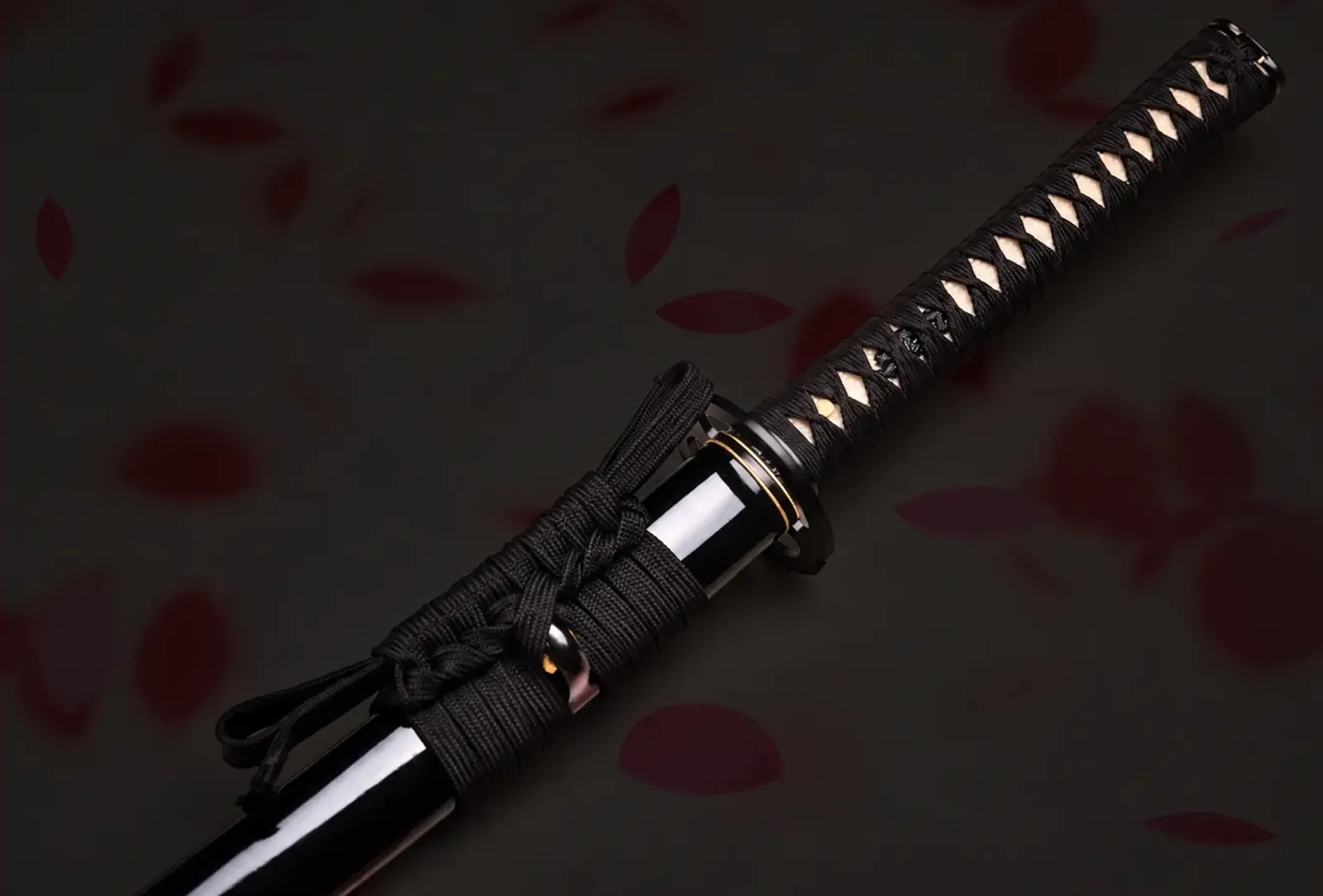
Polyester tsuka-ito over genuine rayskin, with hishigami shaping for a more defined grip.

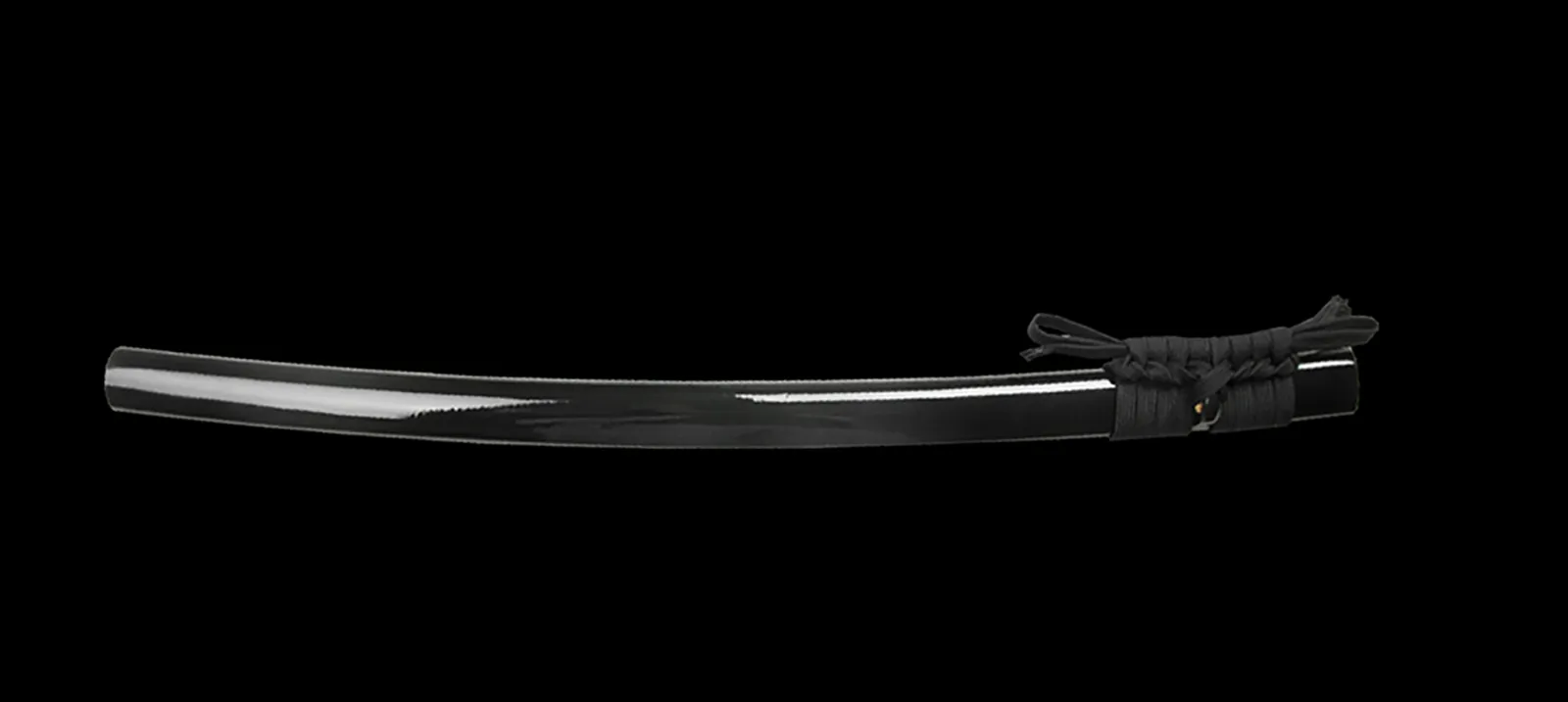
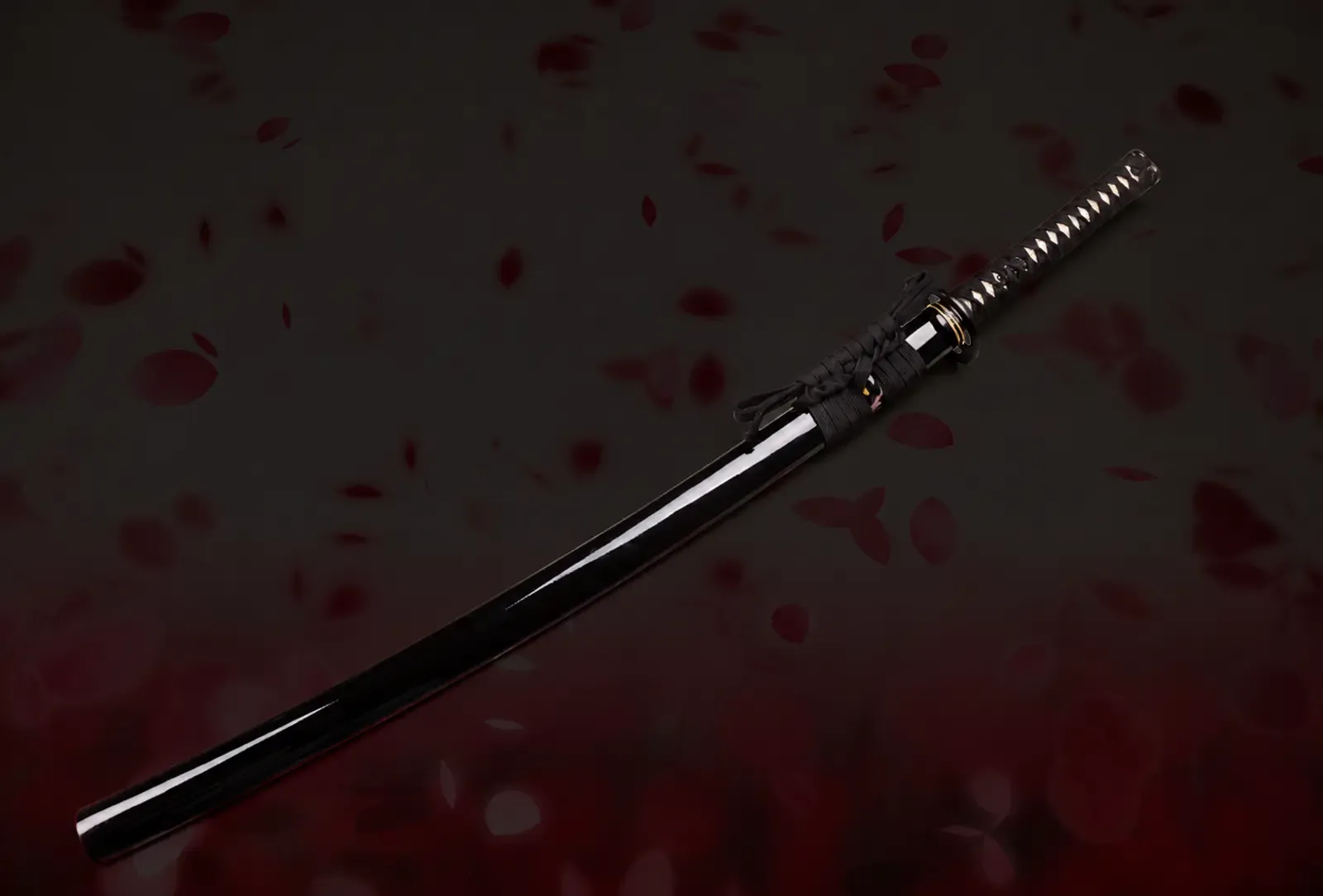
WK-179 katana black-painted Qingpi wood sapwood saya with a standard black sageo cord
SAYA & SAGEO

A black-painted Qingpi wood (sapwood) saya, paired with a standard sageo cord.

WK-179 katana with 65Mn spring steel blade showing its curved profile and polished surface
BLADE MATERIAL · 65Mn SPRING STEEL

The blade is made from 65Mn spring steel, a material that can provide a practical balance of toughness, hardness, and wear resistance with appropriate heat treatment.

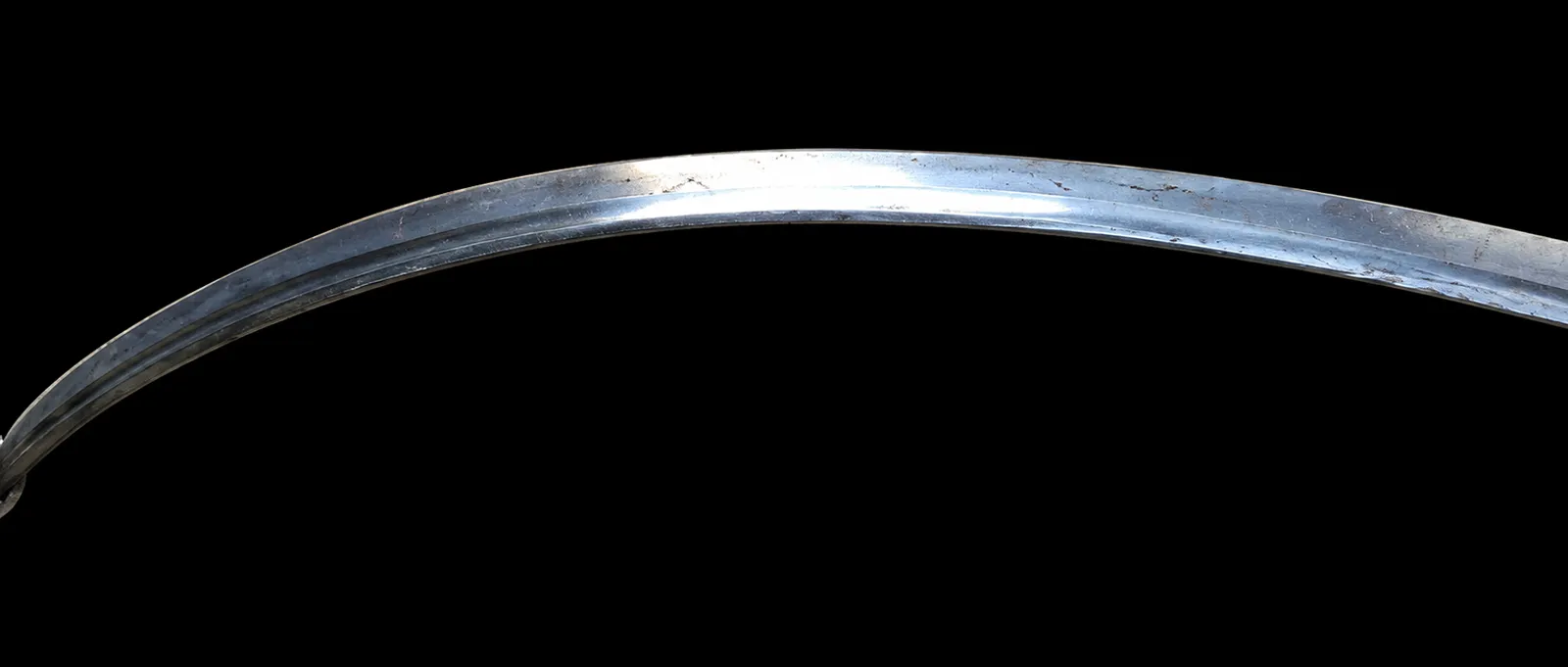
WK-179 65Mn spring steel katana blade bent into a pronounced curve during an extreme flexibility test without fracture
65Mn SPRING STEEL · EXTREME BEND TEST

Bent Almost 90°. Still Unbroken.

When bent approximately 60–70° and released, the 65Mn spring-steel blade returns to its straight profile. In an extreme test approaching 90°, the blade remained unbroken, although the bent section was permanently deformed.

This extreme demonstration was performed using a cosmetically imperfect test blade. Do not attempt to reproduce this test.

ENTRY-LEVEL VALUE

Performance First.
Price Kept Practical.

Built with genuine 65Mn spring steel, durable iron fittings, genuine rayskin, and brass habaki and seppa. An accessible entry-level katana that puts blade performance and dependable construction ahead of elaborate decoration.

PAPER-SHIM VERSION

The upgraded handle features hishigami shaping beneath the tsuka-ito, creating a fuller grip and a firmer, more secure wrap.

WK-179 katana displayed unsheathed beside its black wooden saya, revealing the curved 65Mn spring steel blade, brass habaki, and black-wrapped handle.
CONSTRUCTION DETAILS

Iron. Brass. Genuine Rayskin.

Traditional fittings and practical materials, selected for a clean, understated construction.

Detailed view of the WK-179 katana showing its iron tsuba, brass habaki, black tsuka-ito wrapping, genuine rayskin, and exposed steel blade.
IRON & BRASS FITTINGS

Iron tsuba and brass habaki.

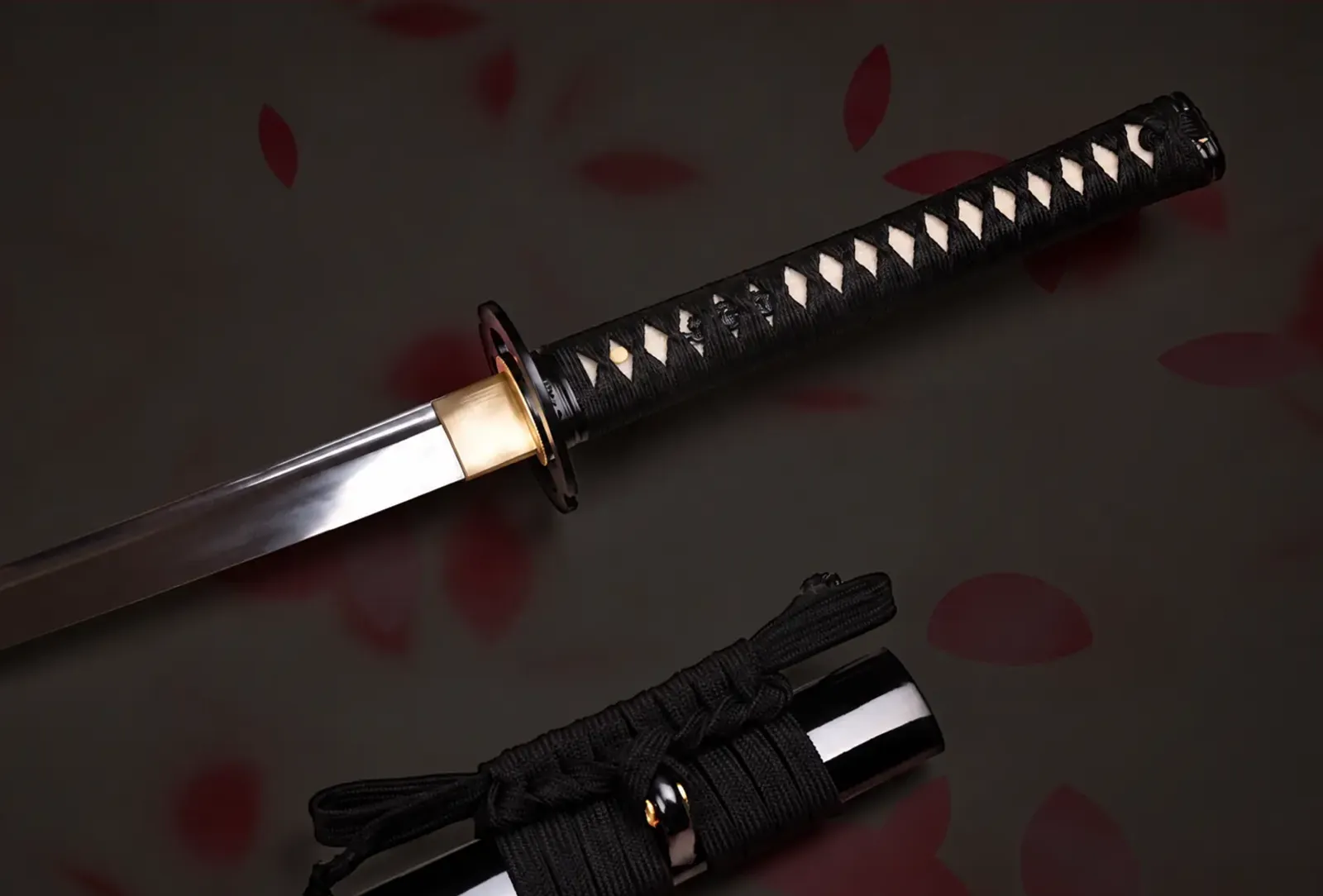
Close-up of the WK-179 katana handle showing black polyester tsuka-ito wrapped over genuine white rayskin, with black decorative menuki visible beneath the wrapping.
TRADITIONAL HANDLE DETAILS

Black polyester tsuka-ito, genuine rayskin and decorative menuki.

BLADE DETAIL

The Kissaki.

A closer look at the kissaki, the visible yokote line, and the polished blade tip.

Close-up of the WK-179 katana kissaki beside the black-painted wooden saya, showing the visible yokote line and polished blade tip.

Rezensionen

Es gibt noch keine Rezensionen.

Schreibe die erste Rezension für „Entry-Level Manganese Steel Katana“

Deine E-Mail-Adresse wird nicht veröffentlicht. Erforderliche Felder sind mit * markiert