QUIET CRAFTSMANSHIP · LONGQUAN

Full-Steel Hitatsura Katana

¥1,663.00

CUSTOMIZE THIS KATANA
Each katana is configured individually.
Multiple katana purchases are placed as separate orders.

KATANA CUSTOMIZER

Customize Your Katana.

Choose from the configuration options available for this katana.

WORKSHOP NOTES

Today, I want to introduce a less common style: the Hitatsura katana.

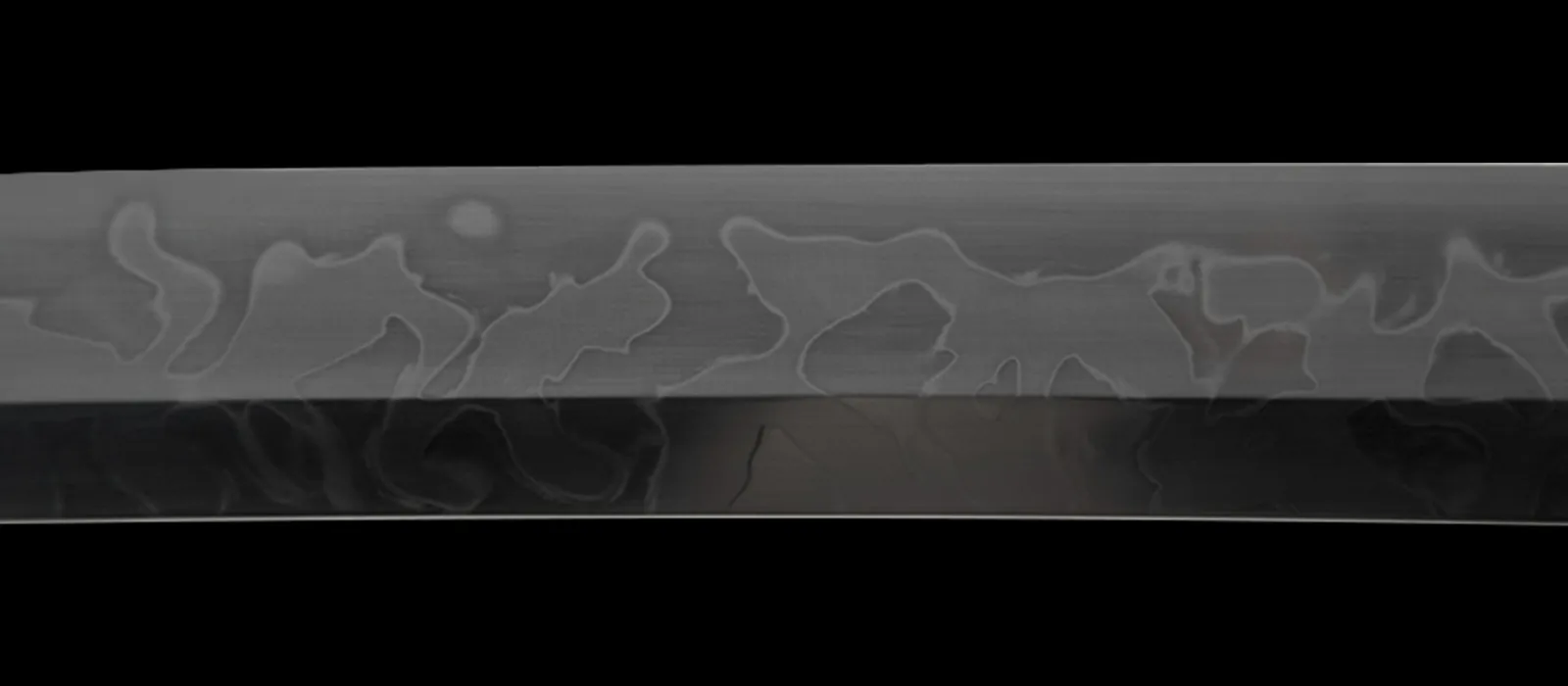
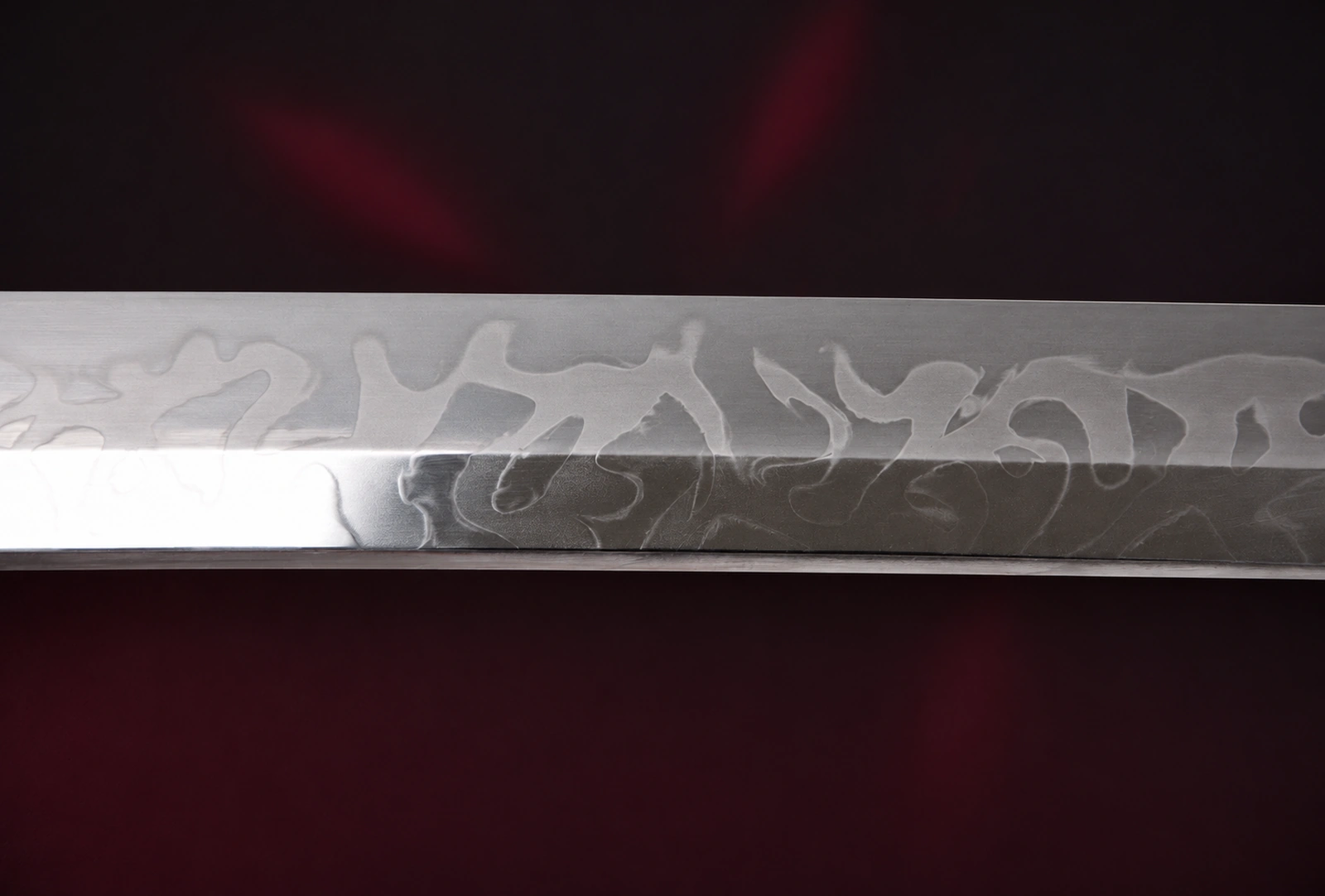
Its defining feature is a striking hamon, with an intricate pattern that is clearly visible to the naked eye.

This lively appearance is sometimes described as a tiger-stripe pattern.

Compared with ordinary clay tempering, this Hitatsura process calls for higher hardening temperatures.

The aim is to develop a harder blade while maintaining its strength.

That demanding heat treatment also leads to more flawed or rejected blades during production.

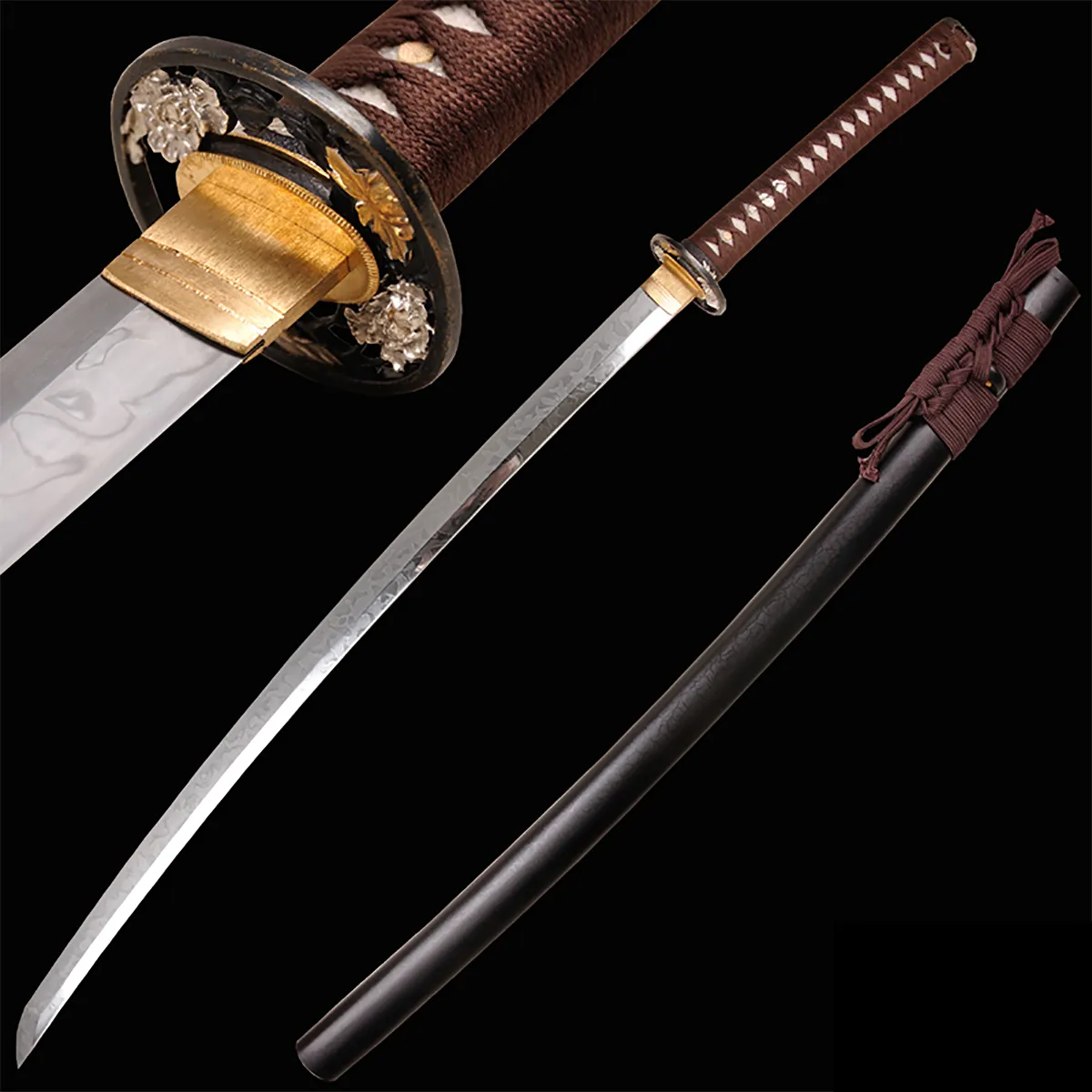
The standard fittings shown here use brass with gold- and silver-colored finishes.

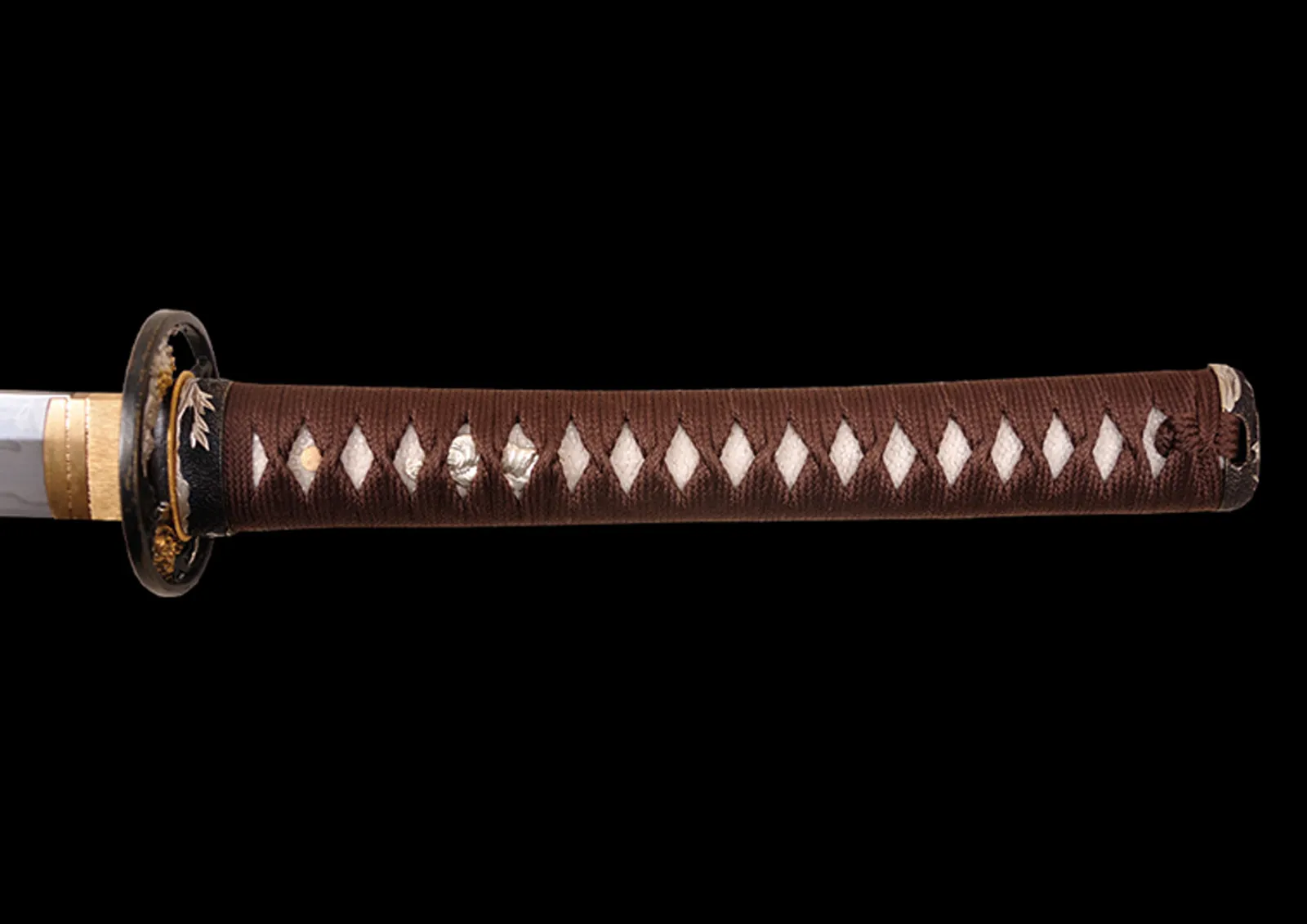
Other production fittings are also possible. Paper padding beneath the tsukamaki gives the grip a fuller feel.

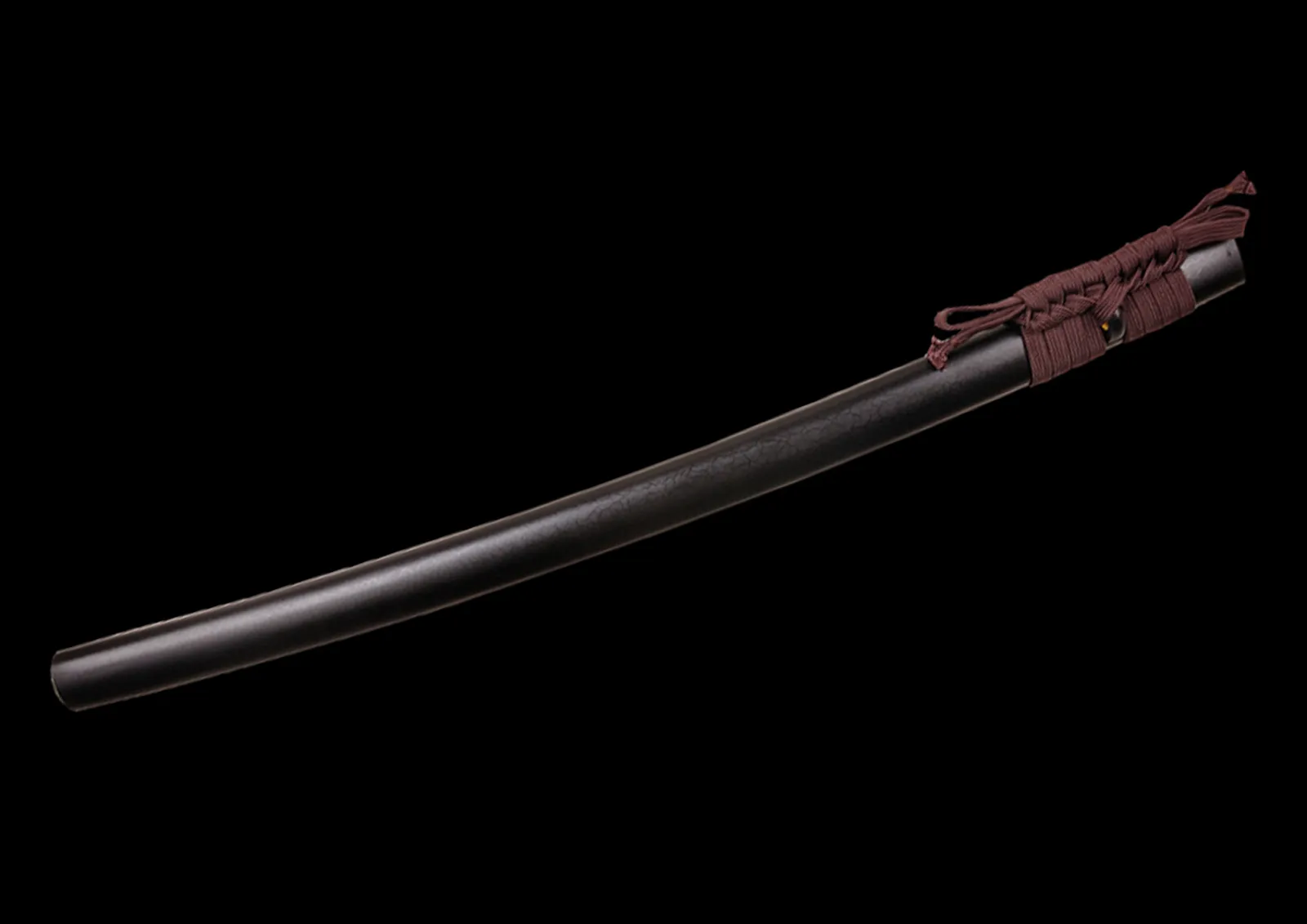
The saya is a straightforward design, paired with an imitation-silk sageo.

Now, let us look at the Hitatsura pattern under strong light.

Under brighter lighting, the hamon becomes even easier to see.

Sometimes it is best simply to appreciate the blade directly, without too much explanation.

The blade shown in this video has a pure mirror-polished finish.

For me, the visual appeal of the Hitatsura pattern makes this a sword to appreciate as well as use.

Technical Overview

Core specifications.

Nagasa
710 mm
Motohaba
32 mm
Motokasane
7 mm
Tsuka Length
250 mm
Overall Length
1010 mm
Weight without Saya
920 g
Weight with Saya
1190 g
Handmade product dimensions may vary slightly.
Blade & Craft

Blade craftsmanship.

Blade Material
T10 Carbon Steel
Construction
Maru Construction
Heat Treatment
Clay Tempering
Hamon
Clay-Tempered Hamon
Hamon Pattern
Hitatsura
Polish
Hand Polish

Description

01 / THE ART OF FIRE AND CLAY

Where Fire
Finds Its Form.

The beauty of this blade is not confined to its edge. In Hitatsura, hardened patterns move across the surface of the steel — a restless expression shaped by clay, heat, and the moment of quenching.
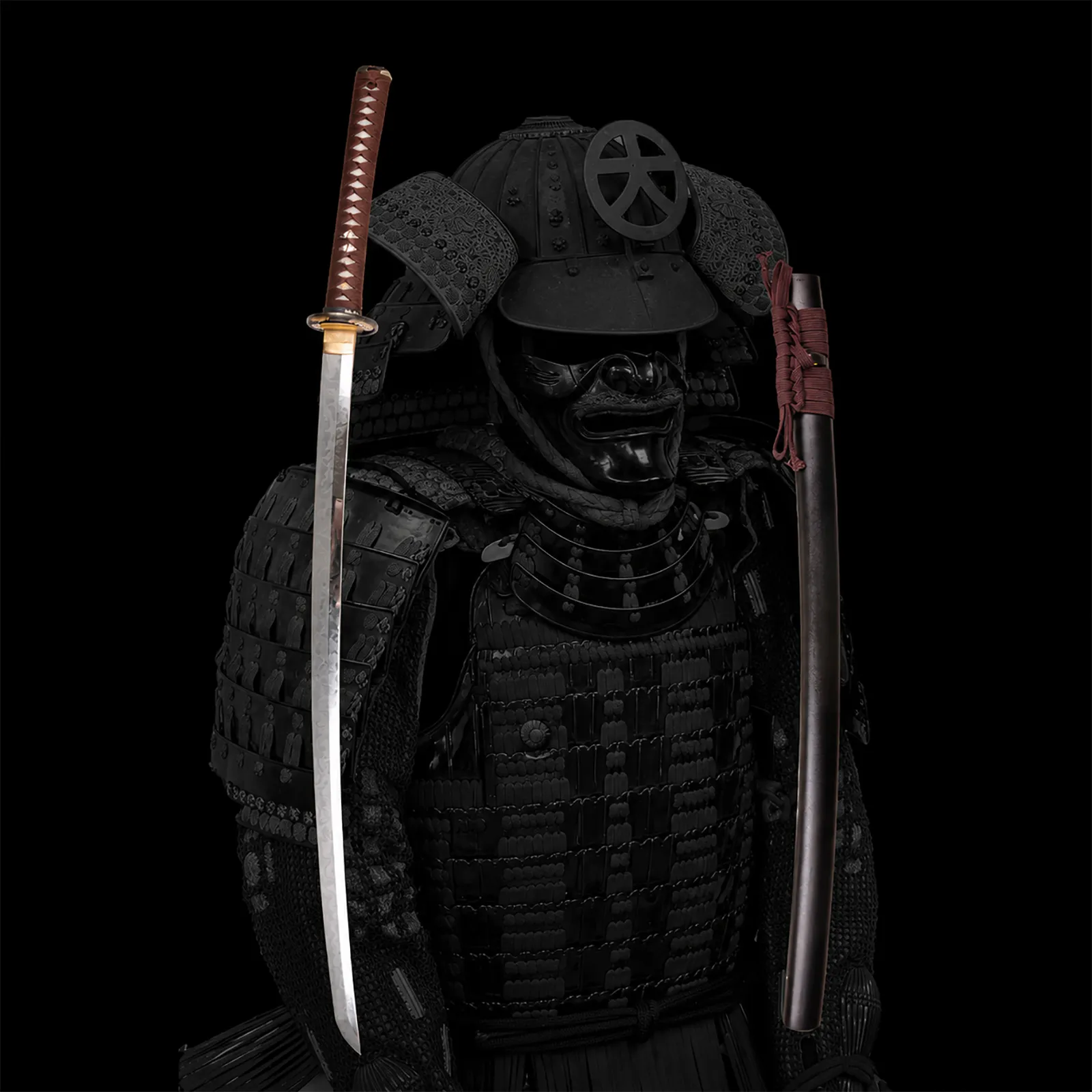
WK-303 Hitatsura katana with dark-brown wrapped handle, polished blade and black saya displayed against dark samurai armor
A clay-tempered katana set against the quiet silhouette of black armor.

BEYOND THE CUTTING EDGE

A Pattern That Refuses to Stand Still.

A conventional hamon draws attention to the boundary near the cutting edge. Hitatsura carries that visual activity farther, allowing irregular hardened areas to appear across the flat of the blade.

Its formation begins before the blade is quenched. Clay is placed upon the blade; heat and quenching then bring out a complex hardening pattern. The placement is intentional, but the finished expression belongs to the interaction of material, temperature, and craft.

The T10 steel becomes a surface of contrast and movement. The subdued brown handle and dark scabbard frame the blade without competing with it. The eye returns, again and again, to the changing lines in the steel.

THE CHARACTER OF HITATSURA

The pattern is designed through discipline, then revealed through fire. What appears fluid and spontaneous is inseparable from a demanding act of control.

AFTER THE FIRE

The clay falls away.
Its trace remains in steel.

A first encounter with the character of Hitatsura — before the craftsmanship of the blade comes into closer view.

02 / THE PATTERN BEYOND THE EDGE

An Unquiet Line
in Steel.

The character of this katana comes into focus at close range. Its T10 blade is clay tempered in the Hitatsura style, where the hamon takes on a complex, wandering form across the surface of the steel.
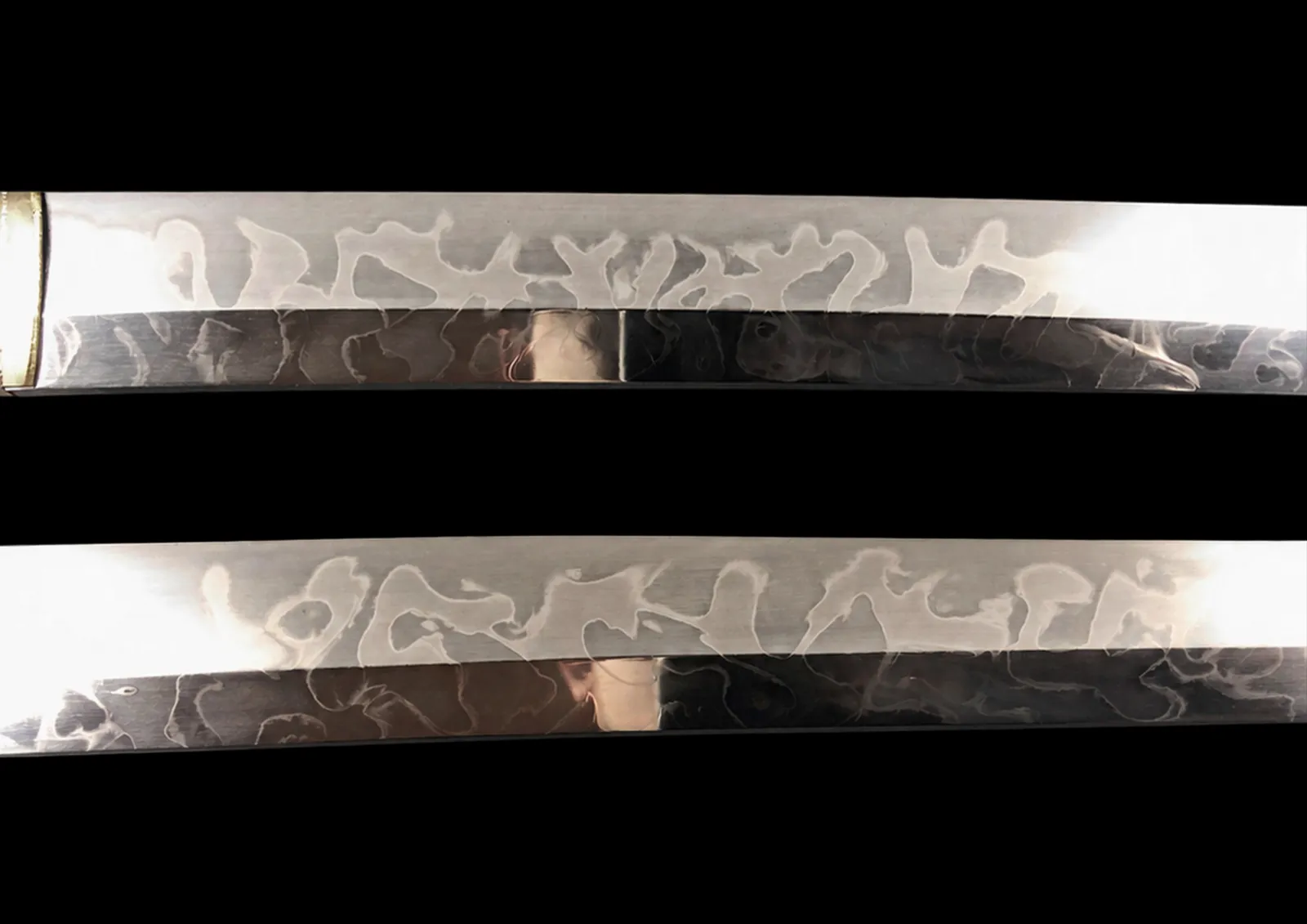
Two close views of WK-303 T10 katana steel showing broad irregular Hitatsura hamon and contrasting polished surfaces
Two close studies of the Hitatsura pattern — light, shadow and hardened forms meeting along the blade.

STEEL / CLAY / HARDENING

Not Along the Edge Alone.

A familiar hamon follows the boundary near the cutting edge. In Hitatsura, the visible hardening activity spreads farther into the blade, creating open shapes, enclosed islands and irregular paths that change from one section to the next.

The blade begins as T10 carbon steel in a full-steel, single-piece construction. Clay application and quenching shape the hardening pattern; careful finishing brings its tonal differences into view.
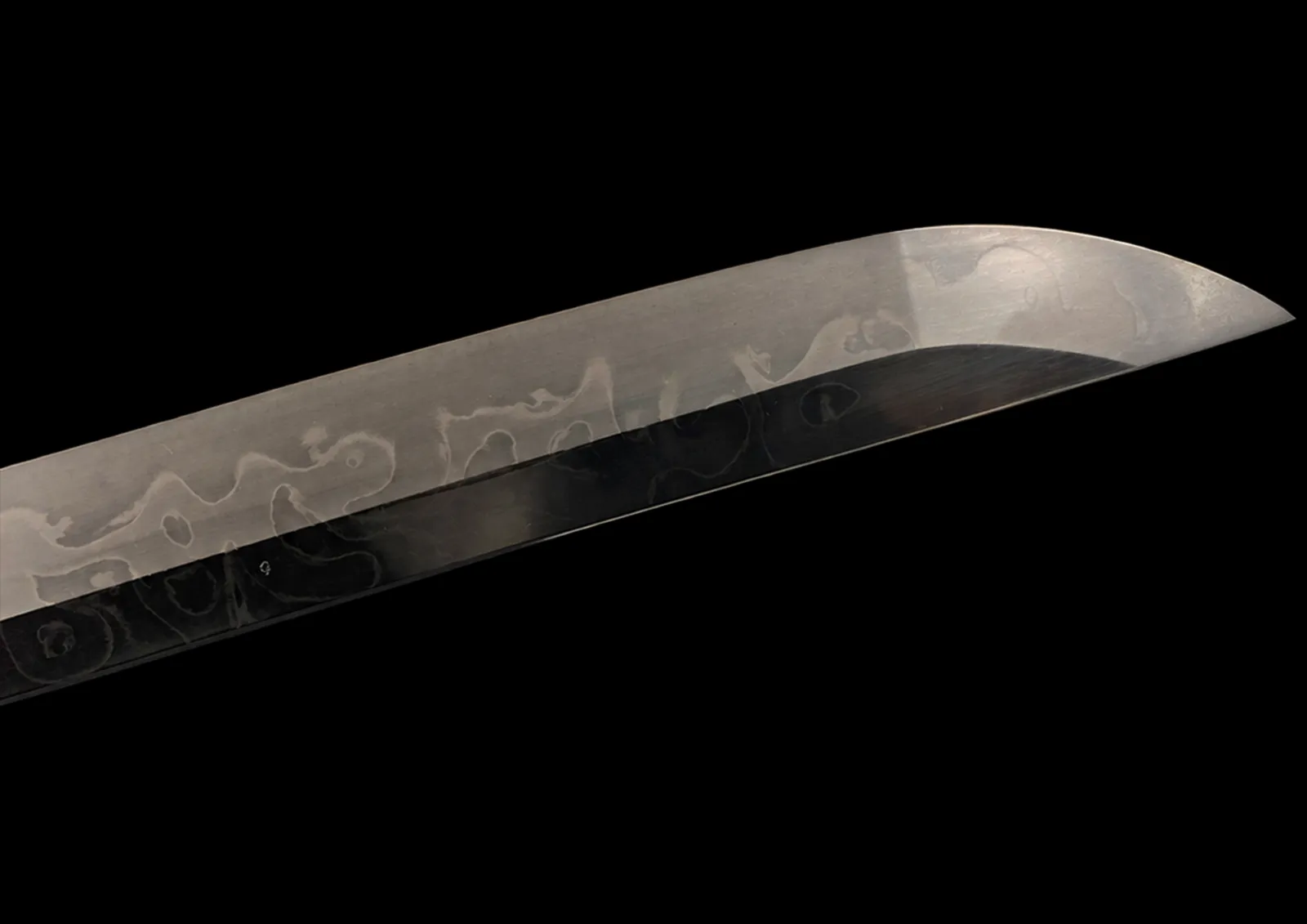
WK-303 Hitatsura katana tip with irregular hardened patterns extending toward the polished kissaki
The pattern approaches the kissaki, changing scale as the blade draws to its point.
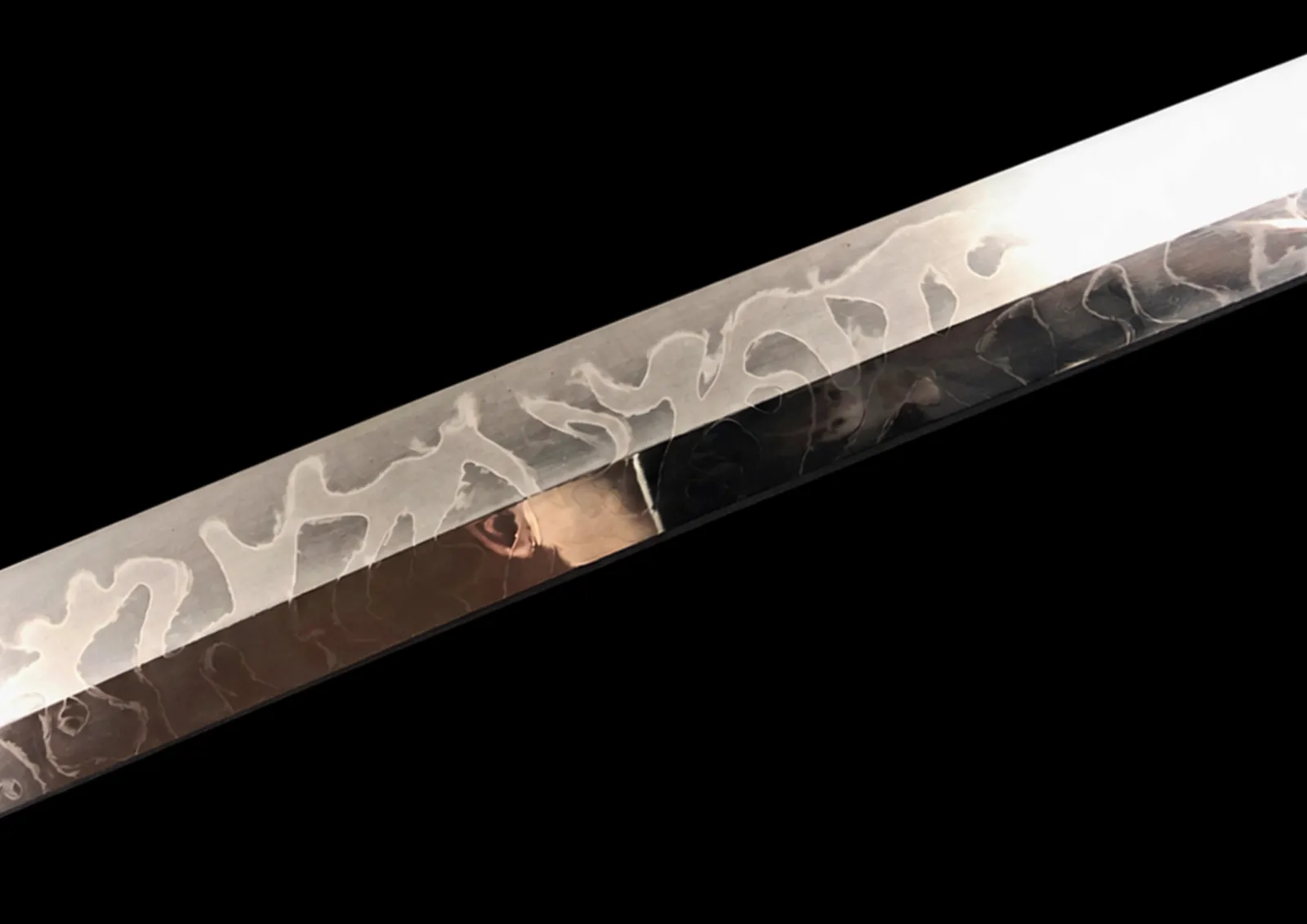
Diagonal close-up of WK-303 katana showing branching Hitatsura hamon across bright and dark reflective steel
An oblique view reveals the branching contours of the Hitatsura hamon.

THE SURFACE REVEALED

Across the polished steel, the hardened areas catch light in shifting tones. What first appears like a single flowing line resolves into a landscape of separate, connected forms.

THREE STUDIES / ONE HARDENING STYLE

A Pattern That Keeps Changing.

Viewed section by section, the Hitatsura pattern refuses a simple repetition. Some areas gather in rounded shapes; others stretch into narrow, branching contours. The eye follows the transitions along the blade.
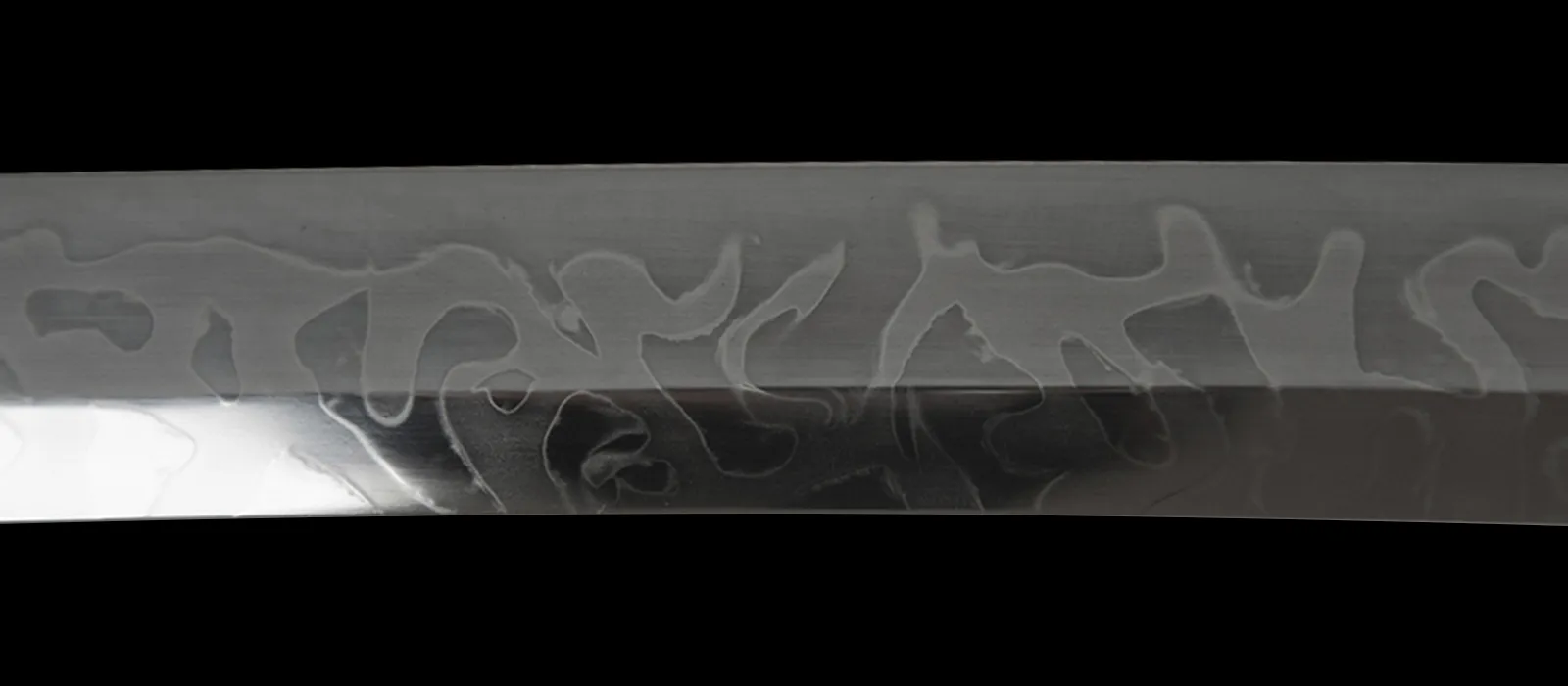
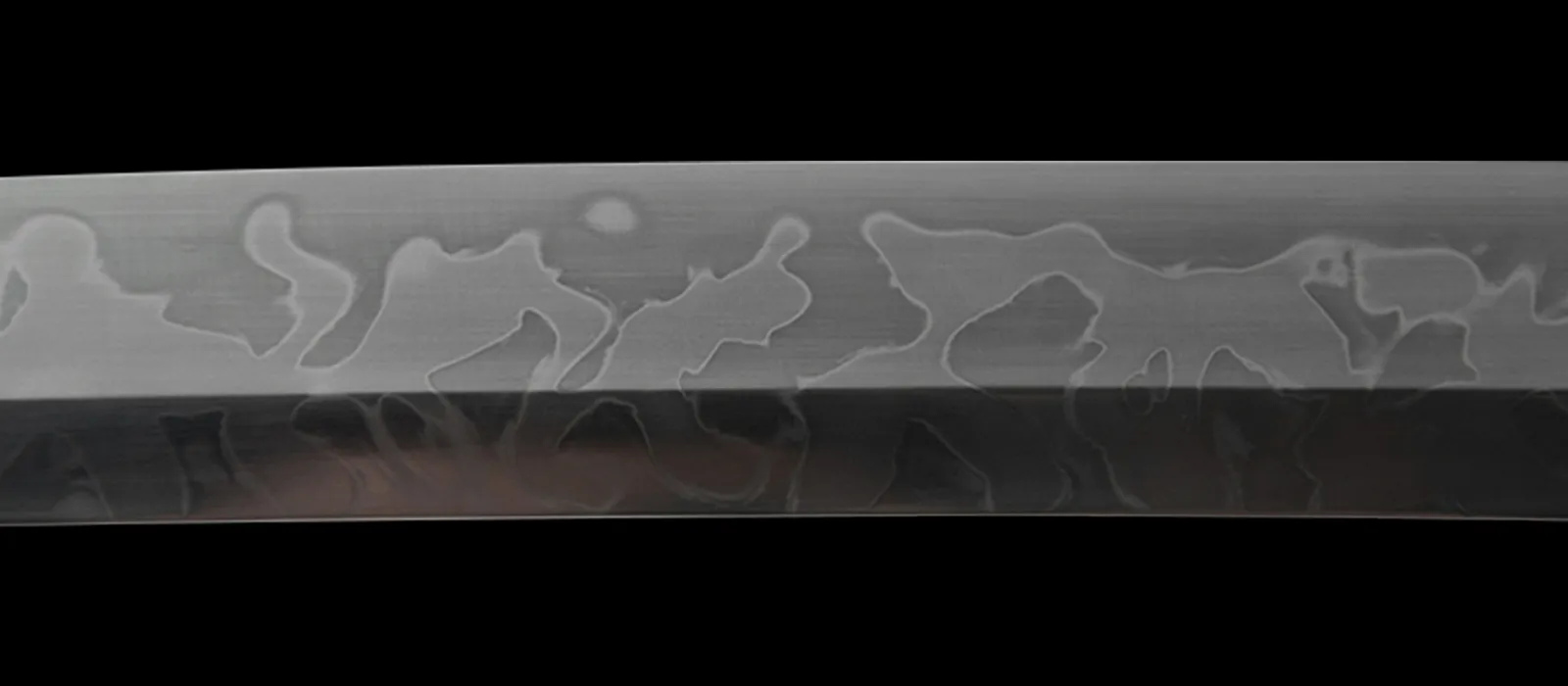
Wide close-up study of WK-303 Hitatsura hamon, showing bright complex hardened forms against the darker polished steel
Study IV — broad shapes and thin branches move across the blade's polished surface.
Wide polished WK-303 katana blade with interconnected irregular Hitatsura hardening patterns
Study V — irregular contours connect and separate across the steel.
Final macro study of WK-303 blade revealing the extended Hitatsura hamon in a narrow horizontal composition
Study VI — a final, quiet passage of hardened forms and surface reflections.

MOUNTINGS / A QUIETER COUNTERPOINT

The Frame Around the Fire.

The mountings keep their own presence understated: warm metal around the guard, a dark-brown traditional diamond-pattern handle wrap, and a near-black wooden saya with a leather-like textured finish. Against these restrained surfaces, the patterned steel remains the centre of attention.
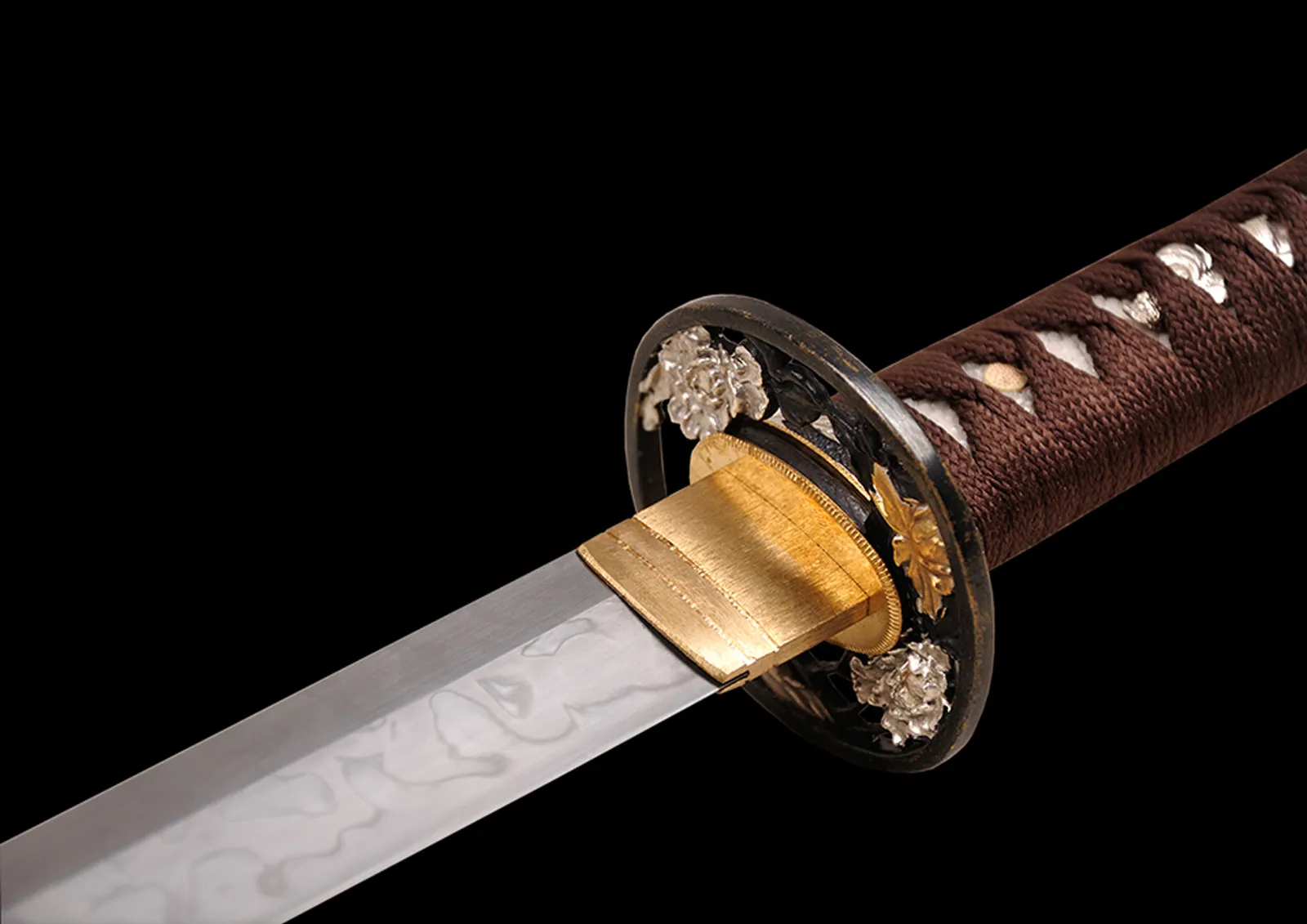
WK-303 katana close-up showing decorated tsuba, gold-toned habaki, seppa and brown wrapped handle
The tsuba, seppa and habaki — layered fittings at the meeting of blade and handle.
WK-303 katana handle with dark-brown standard tsukamaki and diamond-shaped openings showing white textured underlay
Standard dark-brown tsukamaki in a measured diamond pattern.
WK-303 dark near-black wooden saya with matte faux-leather surface and tied brown sageo cord
The dark saya and brown sageo — a calm finish beside a vivid blade.

THE PATTERN, THE WHOLE

A quiet silhouette.
A restless surface of steel.

03 / THE COLLECTOR'S GALLERY

A Quiet Form.
A Wild Pattern.

Beyond the study of steel and fire, this piece comes together as a complete katana. A dark saya, a warm brown handle, and a blade marked by Hitatsura — each detail finds its place against the falling red petals.
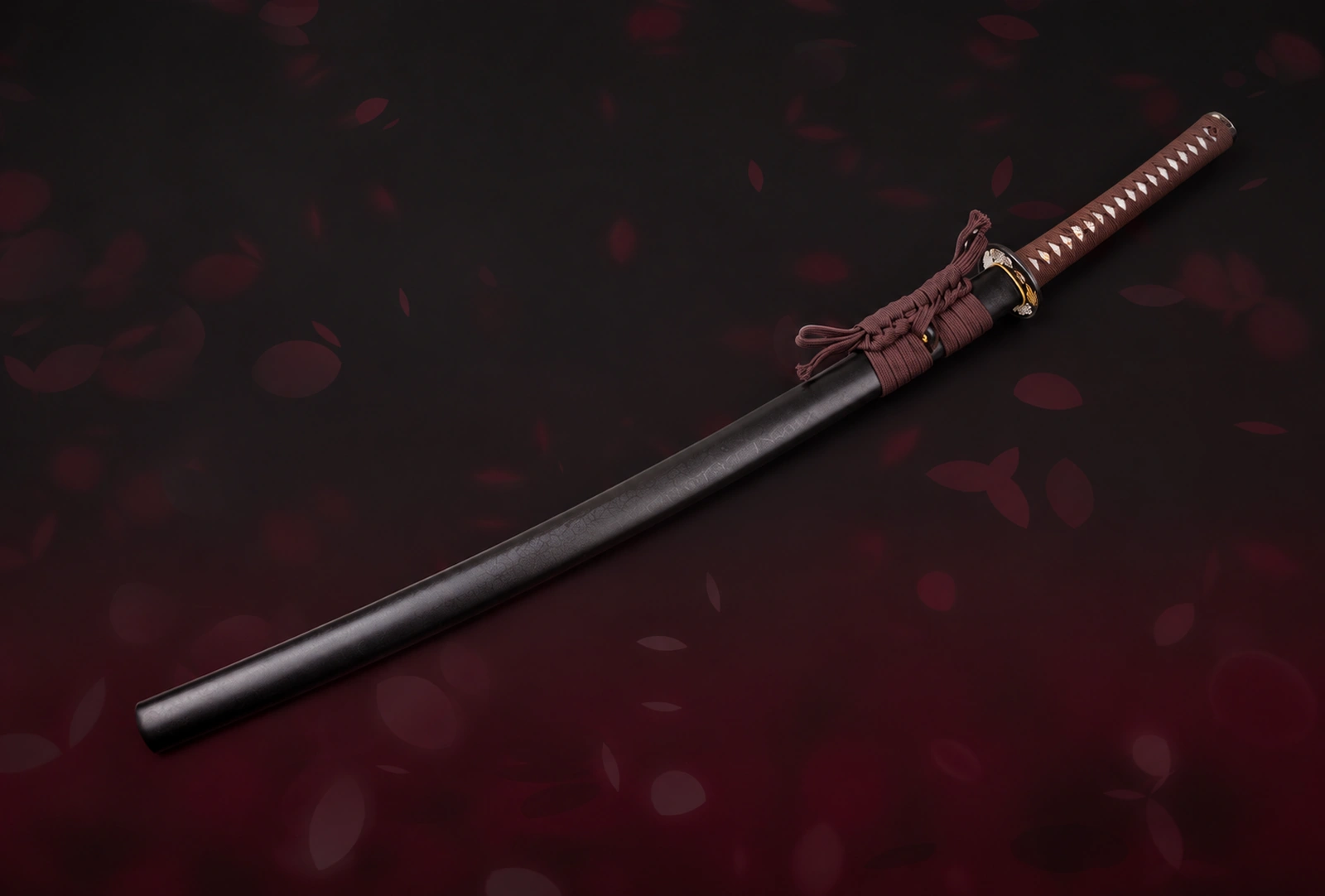
WK-303 Hitatsura katana displayed fully sheathed at a diagonal, with a near-black saya, brown handle and scattered deep-red petals
The sheathed silhouette — dark wood, brown wrapping and a field of falling petals.
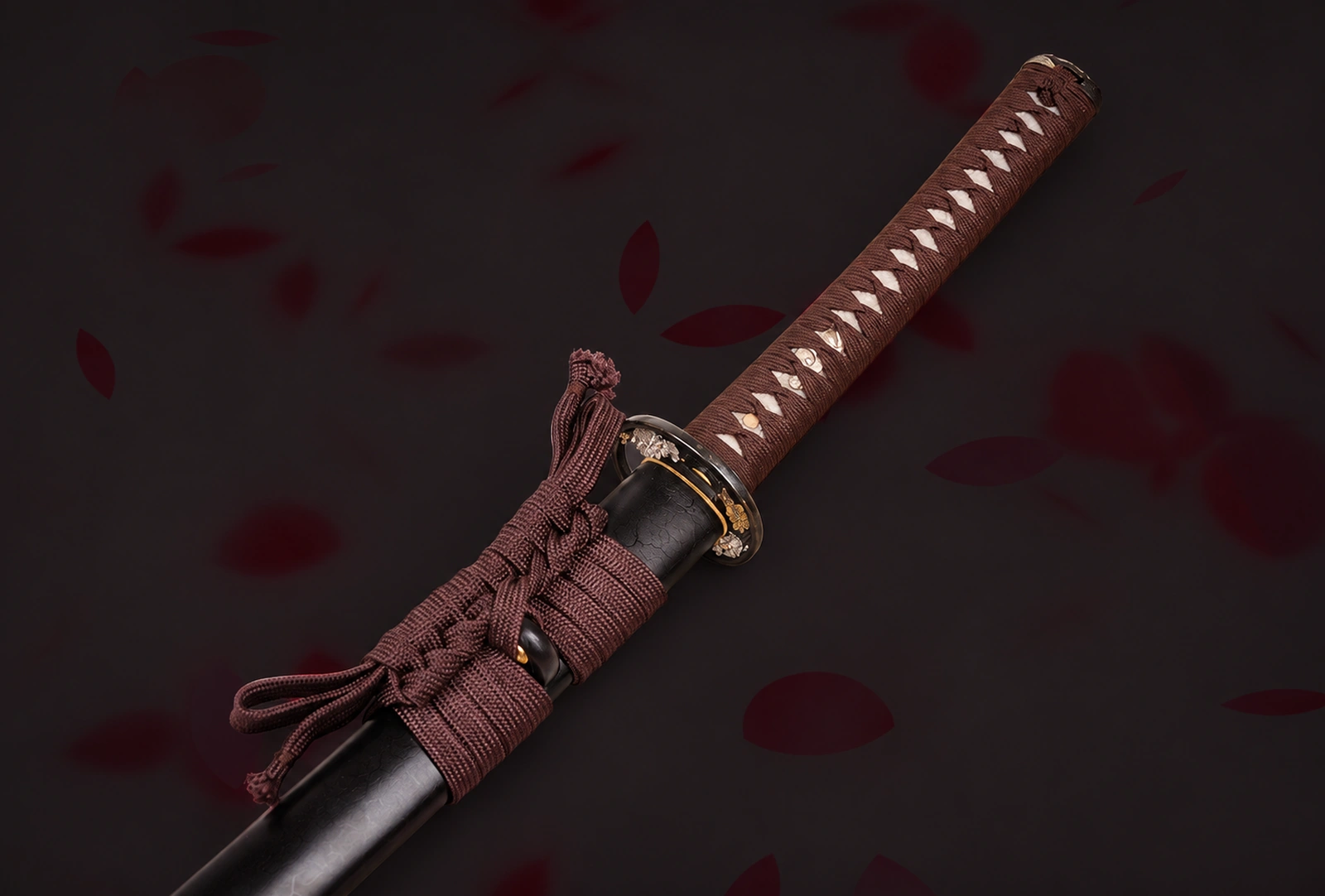
Angled close view of the WK-303 sheathed katana showing its dark saya, deep brown cord and textured traditional handle wrapping
A closer view of the scabbard and the cord gathered near its opening.

THE BLADE REVEALED

The Shape Beneath the Shadow.

Drawn from its saya, the katana changes character. The pale line of the polished blade meets the quieter tones of the mountings, revealing the sweep of the steel from handle to tip.
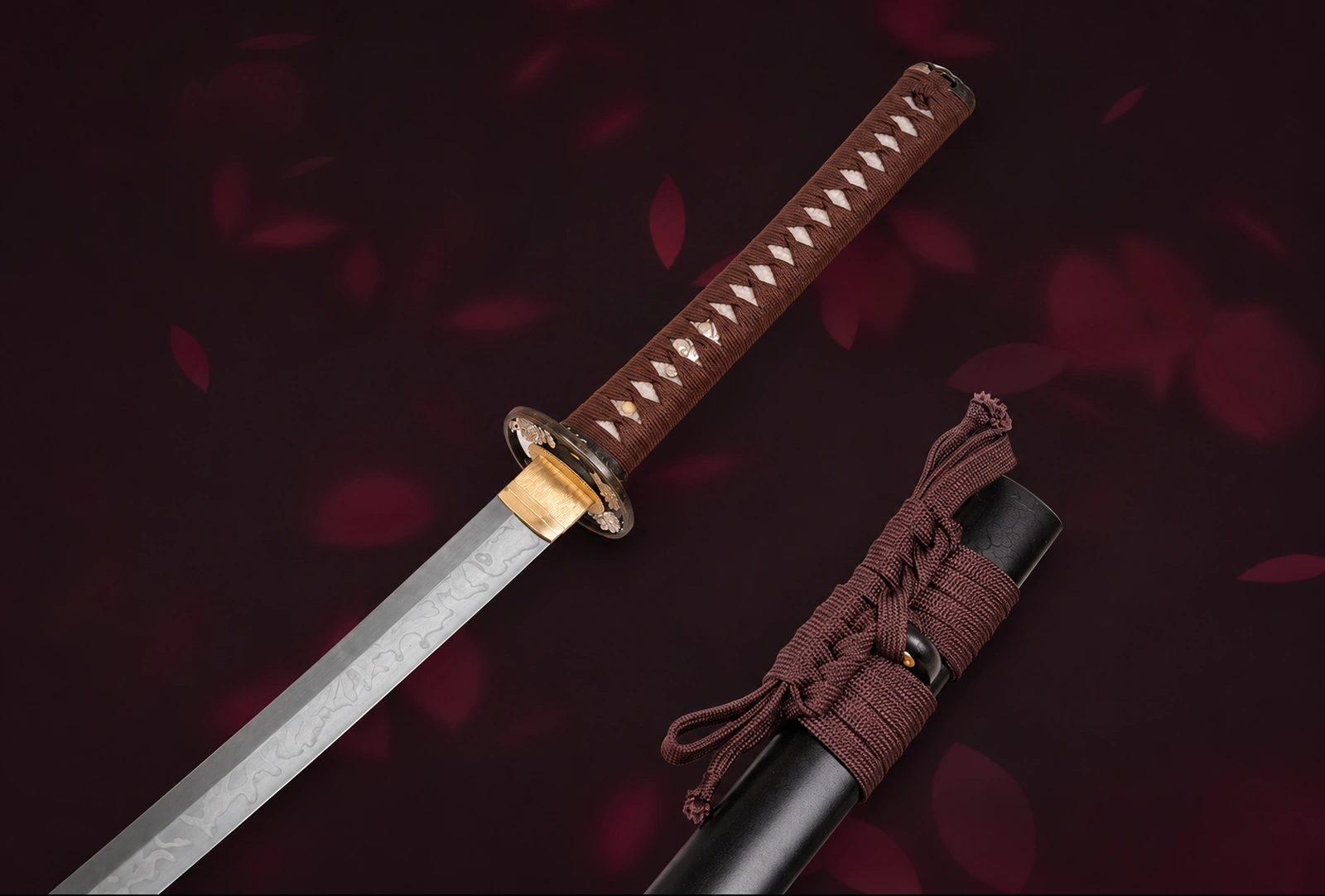
WK-303 unsheathed Hitatsura katana shown diagonally beside its dark saya over a crimson-petal background
The drawn blade and its saya, held in a single composition.

WHERE LIGHT MEETS STEEL

At a distance, a silhouette.
Up close, a landscape of fire.

HITATSURA / A CLOSER VIEW

The Surface Never Stands Still.

The Hitatsura hamon is the centre of this work. Across changing angles, its irregular hardened forms move beyond the cutting edge and into the broader field of the blade.
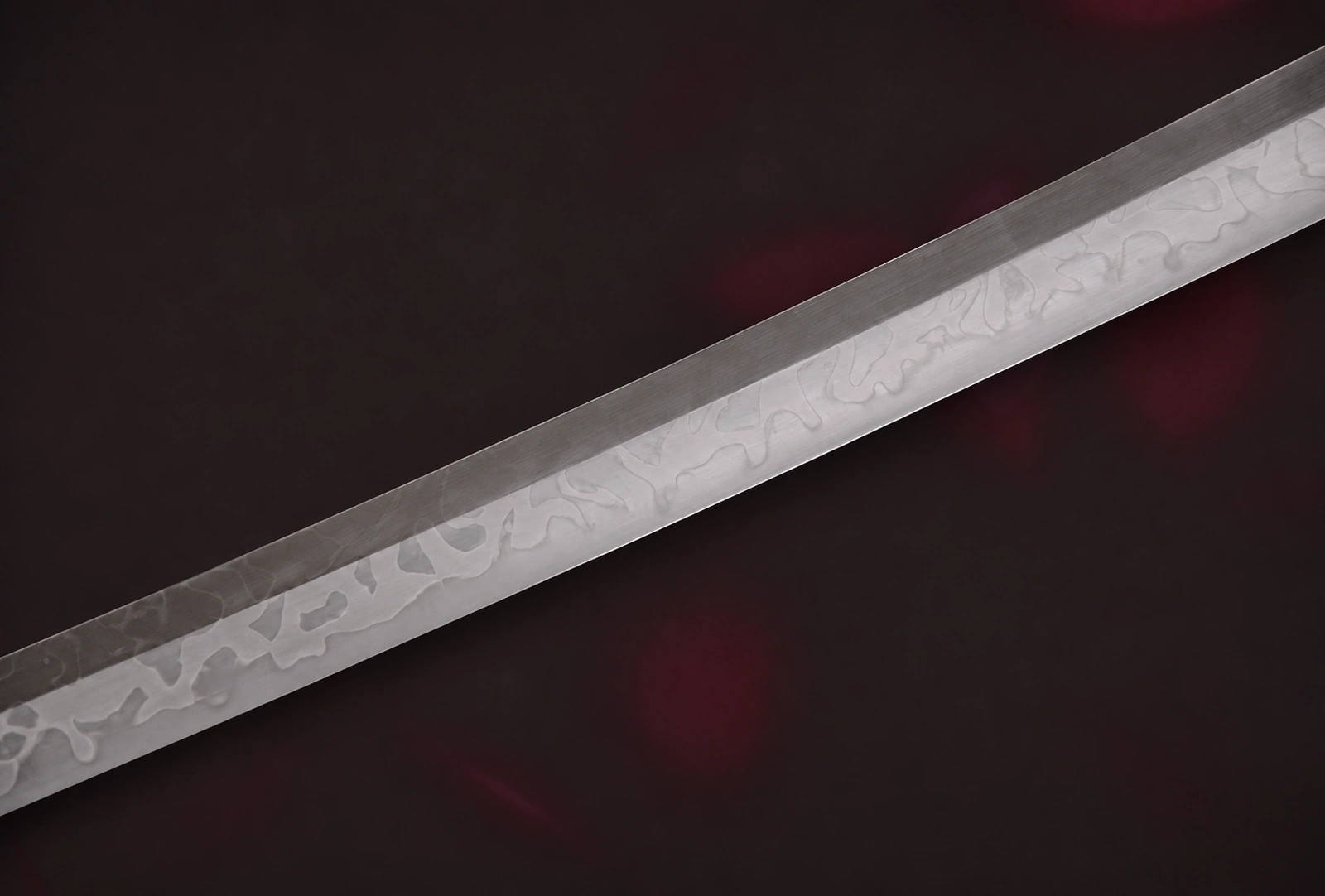
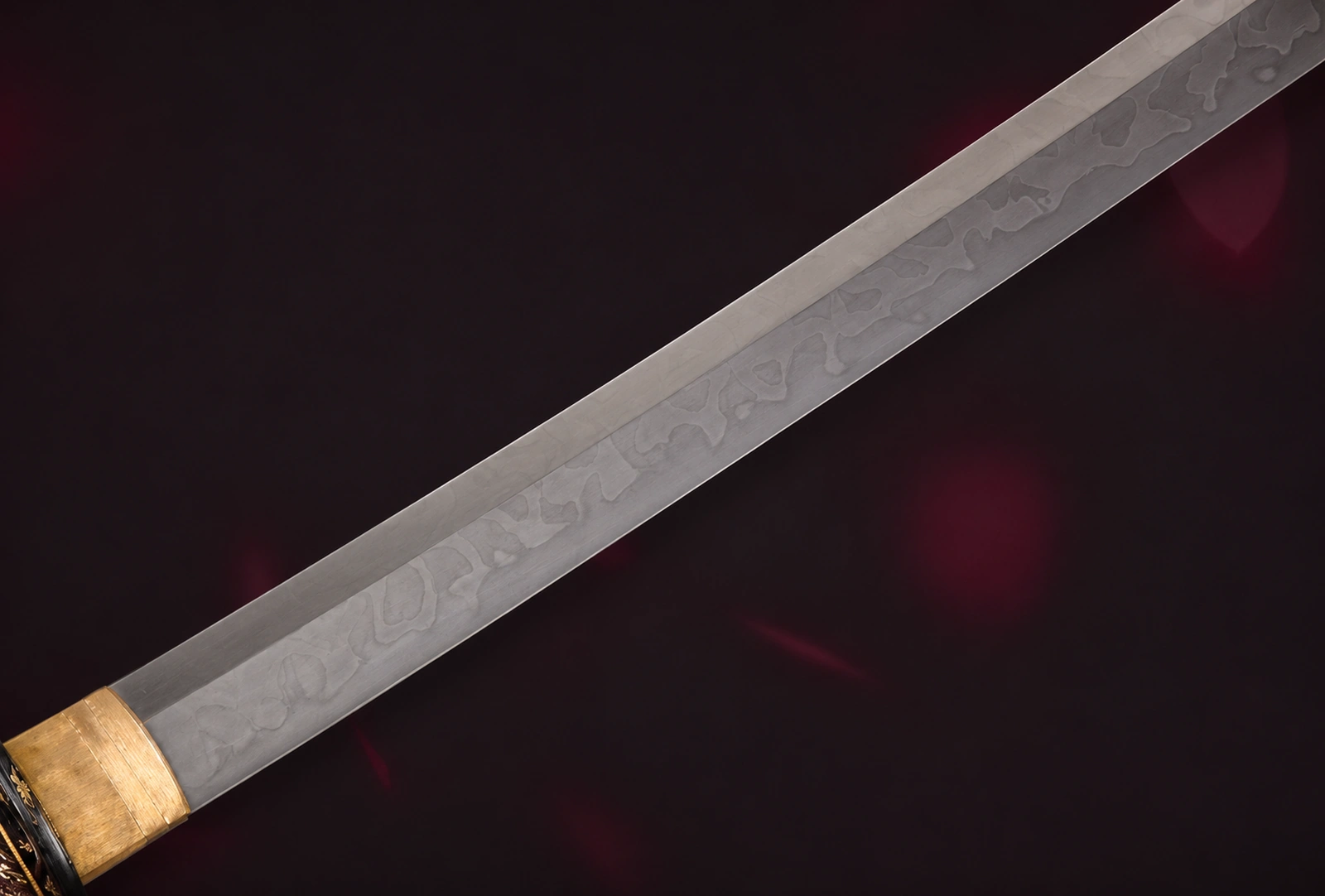
Wide diagonal view of the polished WK-303 katana blade showing irregular Hitatsura patterns against a dark red background
Study I — the pattern follows the curve of the steel.
Another close diagonal view of WK-303 polished blade and its complex Hitatsura hamon over scattered red petals
Study II — light travels across the polished surface and its shifting hamon.
Horizontal close-up of WK-303 Hitatsura blade, revealing pale branching hardening patterns against reflective steel and a dark crimson background
Study III — a closer reading of the branching shapes within the Hitatsura pattern.

THE QUIETER DETAILS

A Frame for the Fire.

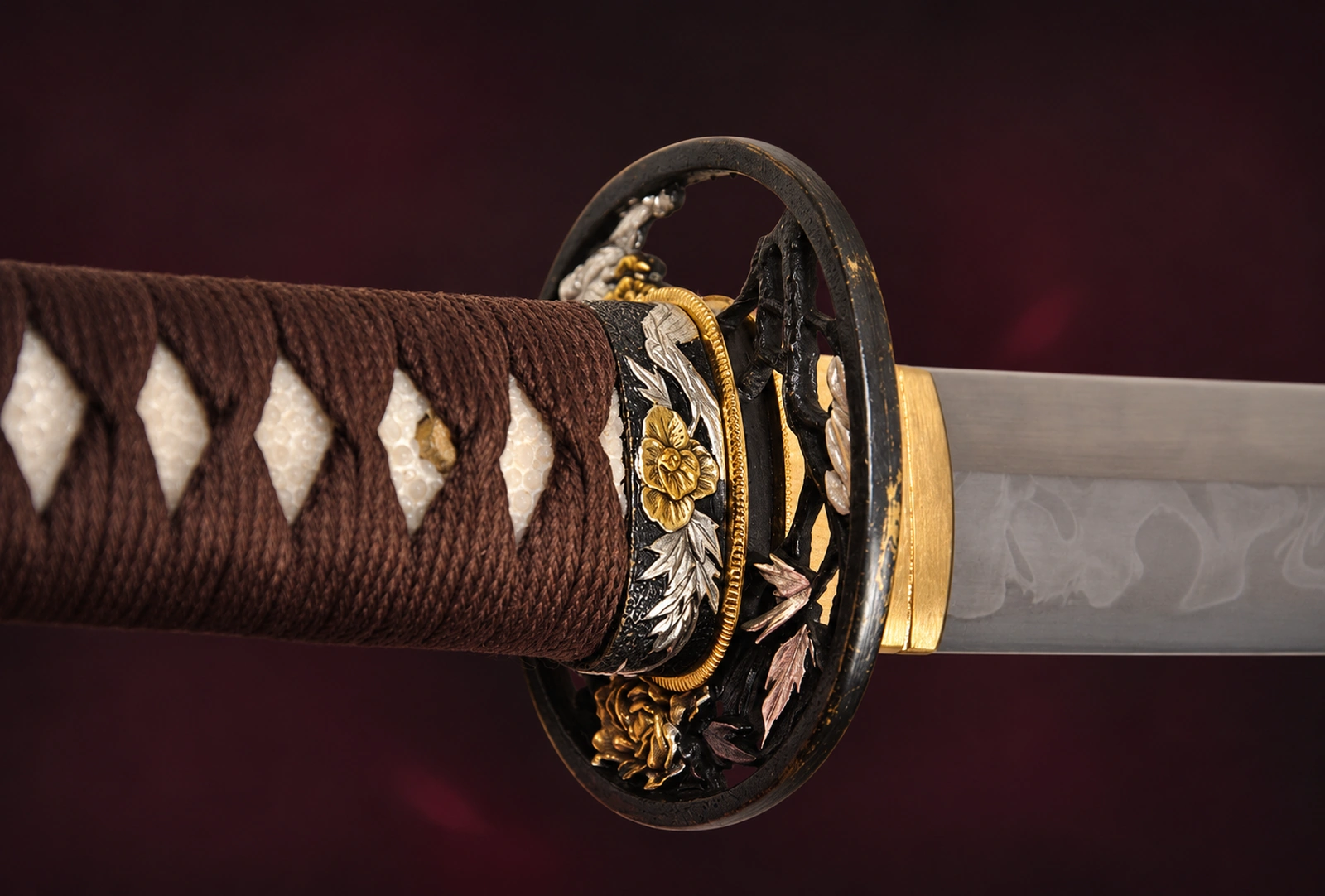
The restrained brown tsukamaki and dark metal tsuba bring the eye back to the hand and the fitting of the sword. Their muted tones make room for the energy of the blade.
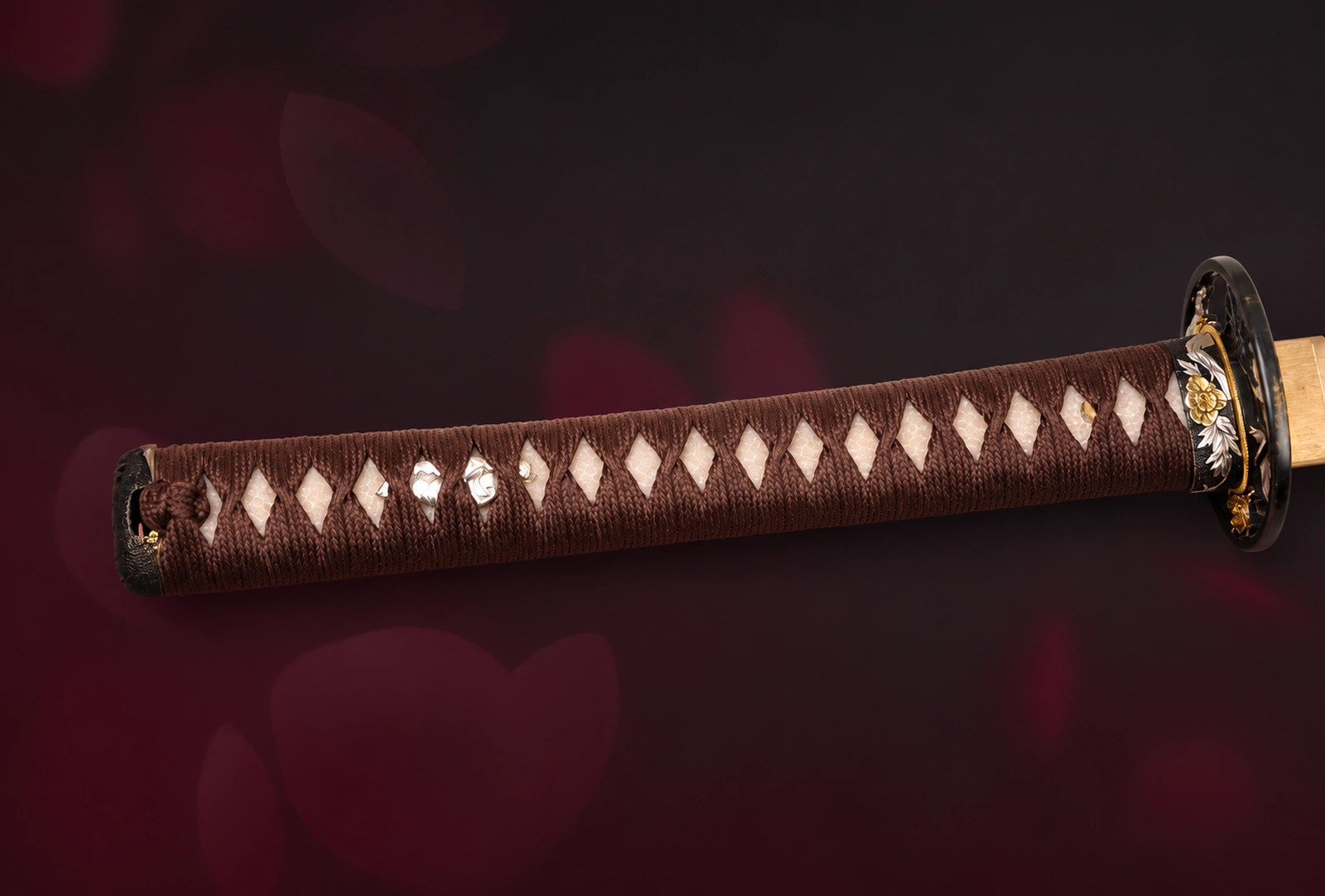
WK-303 katana tsuka seen in close-up, showing brown diamond-pattern wrapping and pale rayskin openings against dark red petals
The tsuka, wrapped in deep brown with a measured diamond rhythm.
Close-up of WK-303 katana tsuba, brown tsuka wrapping, gold-toned habaki and patterned blade over a dark crimson background
The tsuba and warm-toned habaki at the threshold of the blade.

THE COMPLETE PORTRAIT

Stillness in its form.
Movement in its steel.

Reviews

There are no reviews yet.

Be the first to review “Full-Steel Hitatsura Katana”

Your email address will not be published. Required fields are marked *